
Last updated November 22, 2026
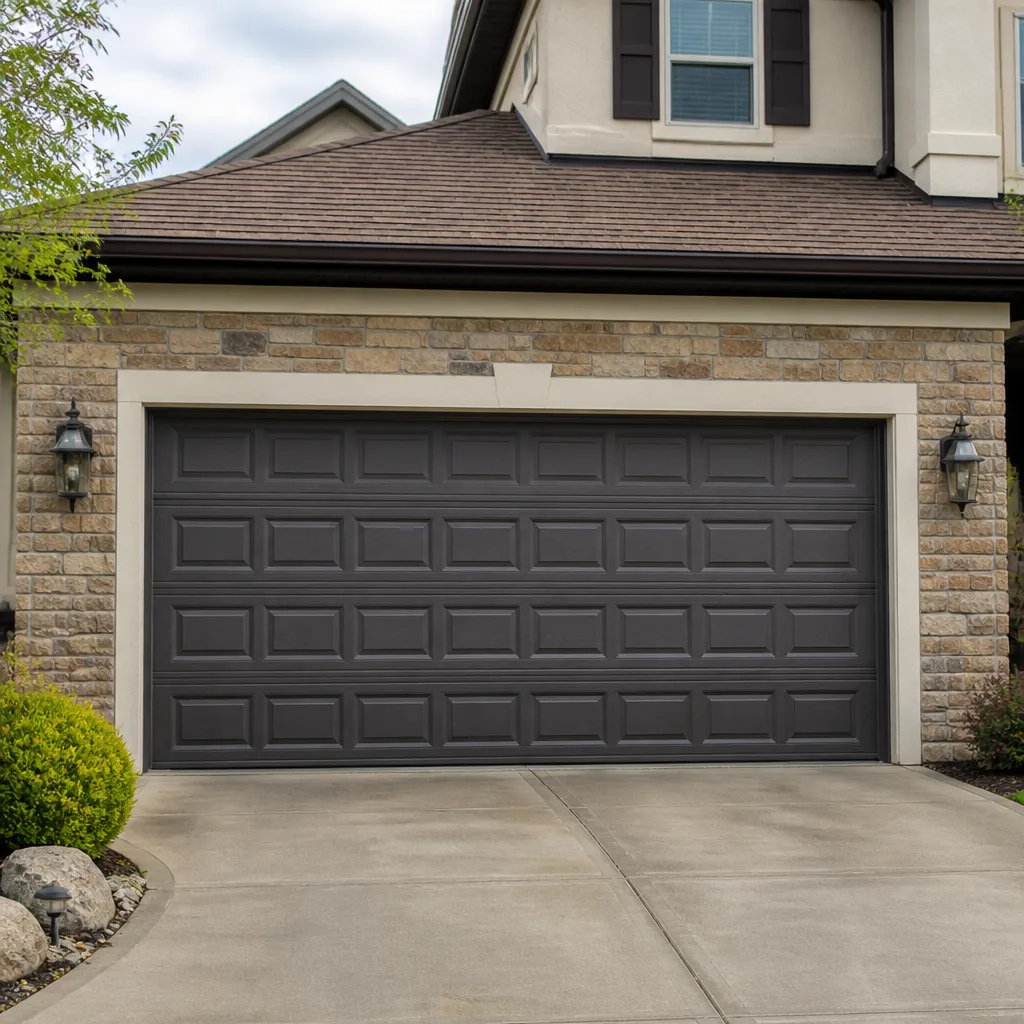 Raised-panel steel
 Carriage house
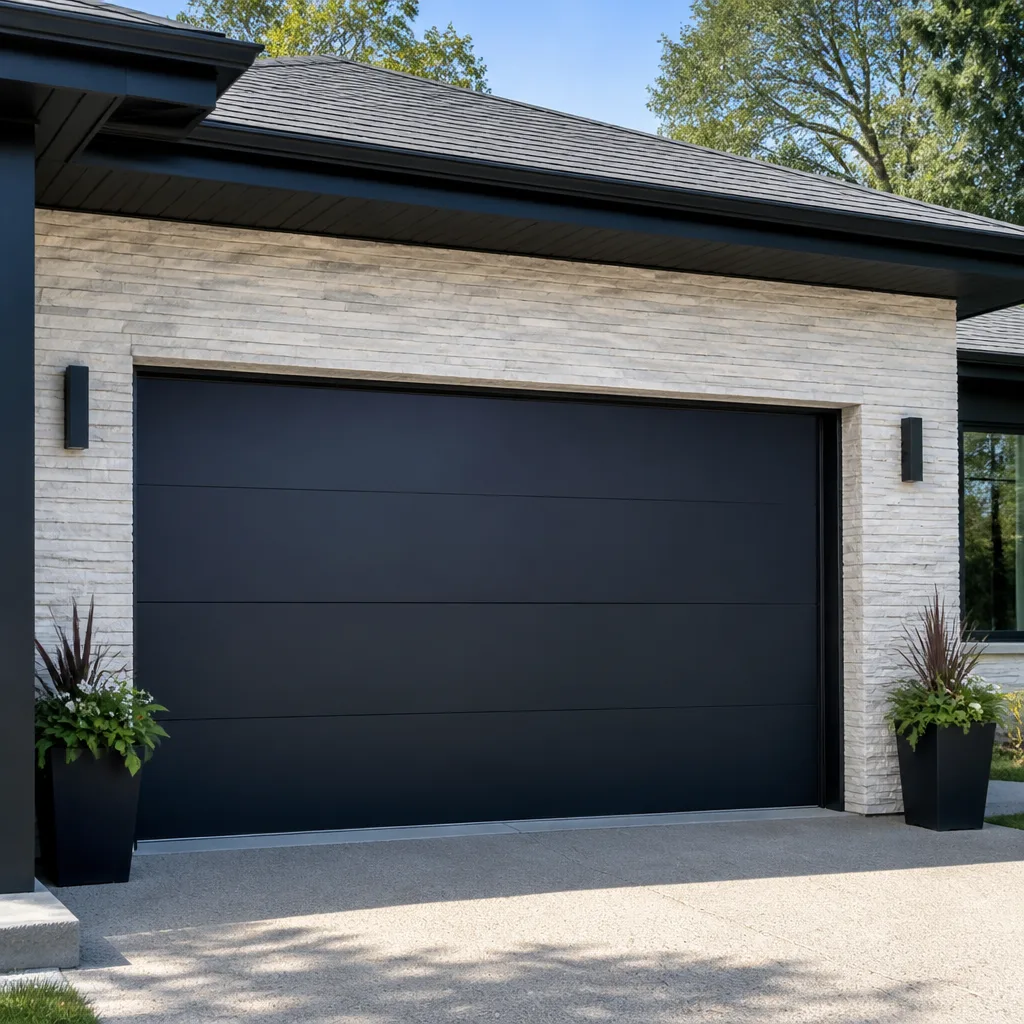 Modern flush
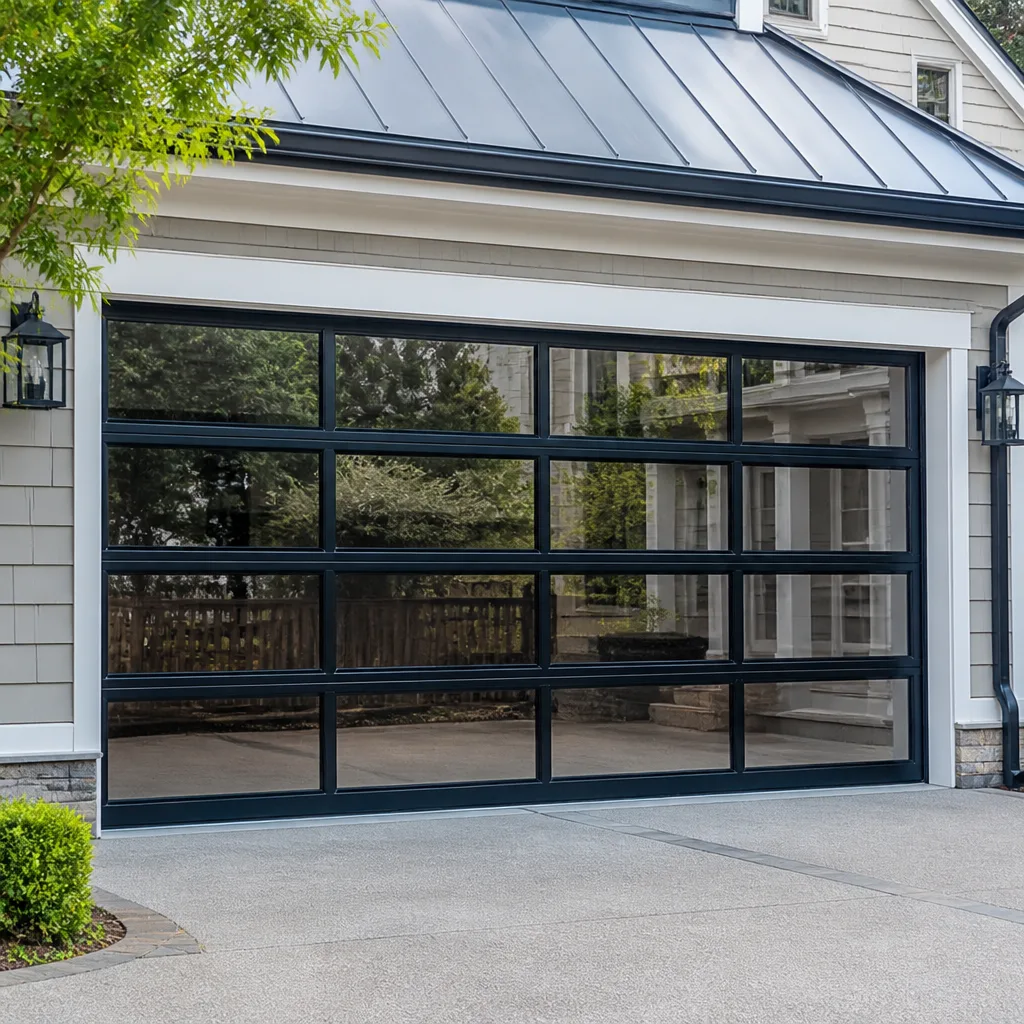 Full-view glass
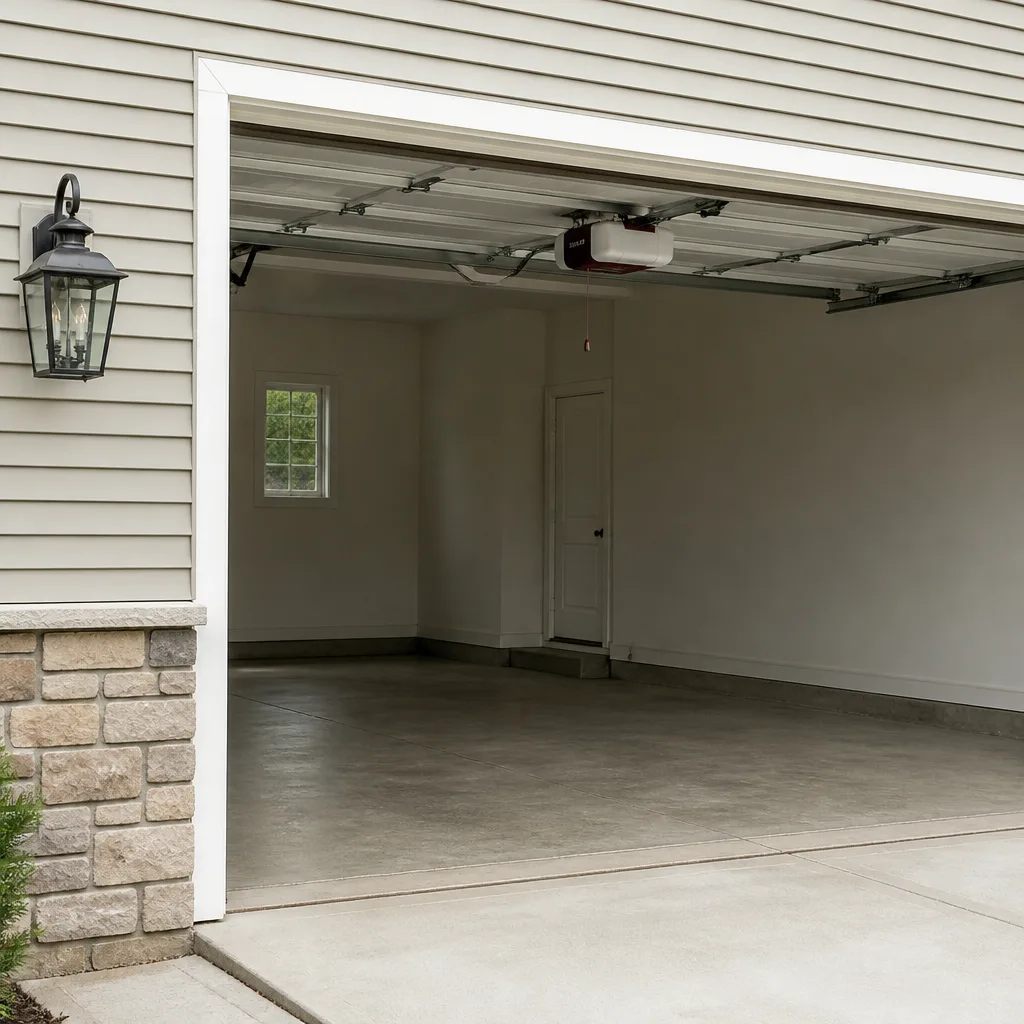 LiftMaster openers
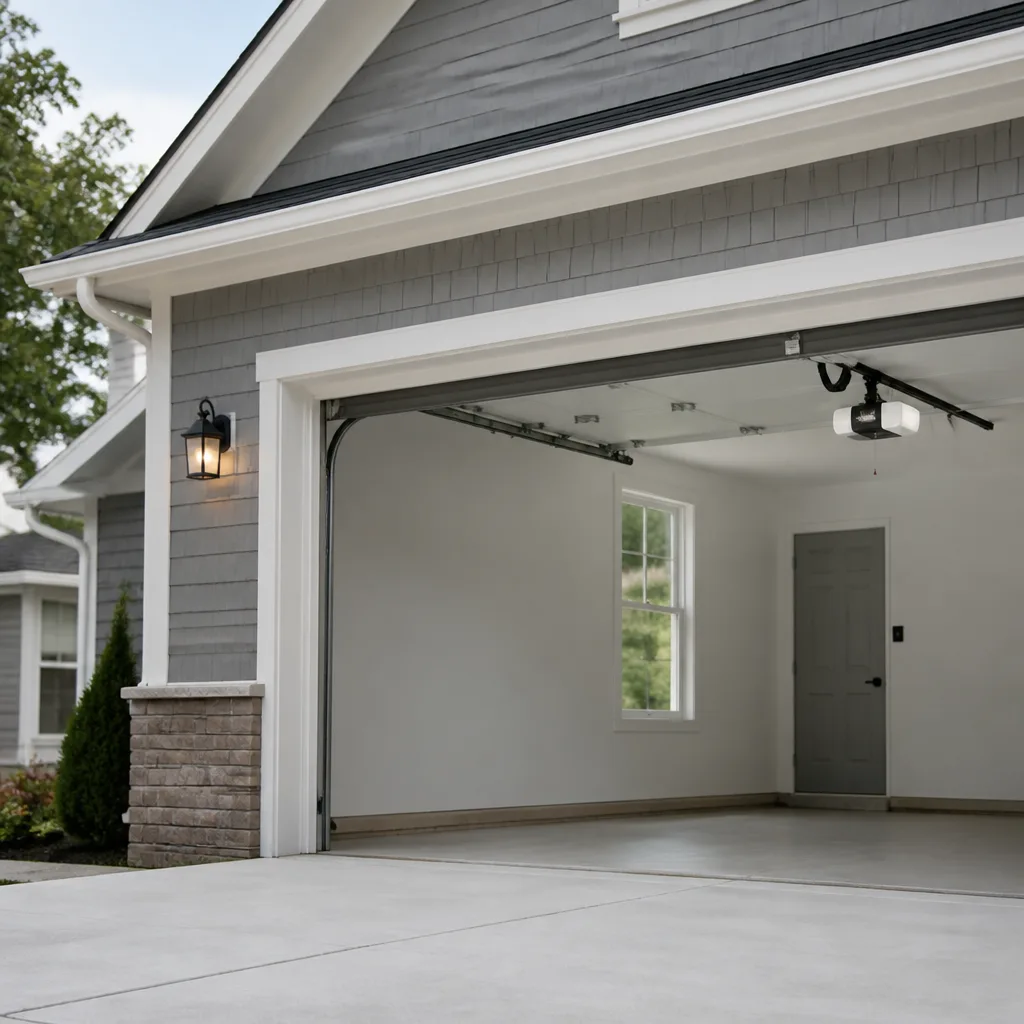 Chamberlain openers
Full 25-point door and opener safety check with every visit - springs, cables, rollers, tracks, and your LiftMaster or Chamberlain opener included
You get a price before we start. It does not change when the pro arrives.
Get your free estimateGarage Door Warning Signs: A Miramar Homeowner’s Reference Guide
Most “warning signs” articles tell you to listen for “unusual noises” and call a professional. That advice is useless at 7am when something in your garage is making a sound you can’t name. A garage door rarely fails without notice. It usually gives you three to five observable signals before a torsion spring snaps or a cable frays through. The problem is that vague guides never help you match the signal to the part. This reference does. You’ll learn what each specific sound points to, how to read wear on cables, springs, rollers and seals, and which problems in Miramar’s humidity and UV load mean stop using the door right now versus schedule service this week.
Quick Answer
The main warning signs of a failing garage door are a loud bang from a snapped torsion spring, a grinding or scraping sound during travel, visible cable fraying, a visible gap in a spring coil, jerky or unbalanced movement, and a door that reverses or won’t close fully. Any loud bang, a door hanging crooked, or a cable that has clearly separated means stop using the door and call a technician. Grinding, squealing, or slow travel usually means schedule service within the week. Call a professional before you operate a door with a broken spring or damaged cable, since these parts are under extreme tension.
Styles & brands we work with
- Raised-panel steel
- Carriage house
- Modern flush
- Full-view glass
- LiftMaster openers
- Chamberlain openers
Table of Contents
- What the Sound Is Telling You: A Part-by-Part Guide
- Visual Inspection Points: What Passes and What Fails
- The Balance Test and Why a Door That Passes Monday Can Fail by Friday
- Miramar-Specific Warning Signs: Humidity, Sun and Steel
- Stop Now, Schedule This Week, or Monitor: A Triage Guide
- Opener Warning Signs Across LiftMaster, Chamberlain and Genie Systems
- Brand-Specific Wear Patterns on Clopay, Amarr and Wayne Dalton Doors
- Common Mistakes to Avoid
- When to Call a Professional
- Frequently Asked Questions
What the Sound Is Telling You: A Part-by-Part Guide
Every garage door system has a fixed set of moving parts, and each one fails with a recognizable sound. Learning to match the sound to the component is the fastest way to tell a small fix from a serious problem. Here’s how we break down the sounds homeowners describe to us across Miramar.
Grinding: A Roller or Bearing Problem
A steady grind that starts as the door begins to move and continues through the whole travel usually points to a worn roller bearing or a dry hinge. The roller’s steel shaft sits inside a bearing that should spin freely. When that bearing dries out or the roller wheel flattens on one side, the door drags against the track. Grinding is rarely an emergency on its own, but it accelerates wear on the track and the opener. Left alone for months, a seized roller can bend the track, and that turns a cheap part swap into a bigger repair.
Scraping: A Cable or Drum Issue
A scrape or high metallic squeal that pulses with door movement often means the cable is rubbing against the drum or has jumped its groove. On a torsion system, the cables wind around drums at each end of the shaft. If a cable comes loose or frays, it drags. A scraping cable is a stop-using signal. Frayed cable strands can whip free under load, and a cable that lets go on one side drops a corner of the door. On Miramar doors that sit in humid garages year-round, we see cable and drum wear accelerate faster than in drier climates, so this sound deserves prompt attention.
Popping: A Spring Coil or a Loose Fastener
A single sharp pop when the door opens or closes can come from a torsion spring coil binding on itself, or from a lag bolt working loose in the header. A repeated pop that gets louder each cycle is usually the spring. Torsion springs are the part that most often fails with a bang, and a popping spring can be the warning before it breaks completely.
Straining Motor: The Opener Is Working Too Hard
If the opener sounds labored, groans as it lifts the door, or finishes a cycle hotter or slower than usual, the problem may not be the opener itself. A weakening spring, a binding roller, or an off-track door makes the opener fight the weight. The opener motor is rated for a balanced door. When balance drifts, the motor takes the load.
If you hear a straining garage door opener repair issue developing, it’s worth having the opener and the door checked together. Fixing the opener while ignoring a weak spring just moves the failure down the road.
Visual Inspection Points: What Passes and What Fails
You can catch most serious failures with your eyes before they make a sound. Walk around the door with a flashlight and check these points. Do this with the door closed and the opener disconnected if you can, and never put your hands near springs or cables while inspecting.
Cable Fraying: How Many Broken Strands Matter
Look at the cables that run along each side of the door. A healthy cable is smooth and tightly wound. A failing cable shows broken strands sticking out like a frayed rope. A few separated strands is a schedule-this-week signal. Any cable where the strands have clearly opened up, or where you can see more than a small patch of fraying, is a stop-using signal. Cables carry the door’s weight.
Spring Gap: What a Partial Break Looks Like
On a torsion spring, look at the coil above the door. A healthy spring is one continuous winding. A partial break shows as a visible gap between coils, or a spring that has separated into two sections. Even a small gap means the spring has lost tension and the door is no longer properly balanced.
Roller Wear
Rollers should be round and turn easily. A worn roller has a flat spot, a cracked wheel, or a dry, rusted shaft. If the wheel wobbles in the track or the door jumps as it passes a certain point, a roller is likely the cause.
Track Alignment
The vertical and horizontal tracks should be straight and evenly spaced. A dented track, a track that has pulled away from the wall, or a gap where the rollers ride is a sign the door is under stress. A misaligned track can throw the door off its rollers entirely.
A door that is visibly out of square or hanging unevenly when closed is an immediate stop. If you notice a panel that has pulled away or a section that sagged, a garage door repair call is the right move before the door gets used again.
The Balance Test and Why a Door That Passes Monday Can Fail by Friday
The balance test tells you whether the springs are carrying the door’s weight or whether the opener is doing work it shouldn’t. It takes a couple of minutes and no tools. You’ll need the door closed and the opener’s release cord, which hangs from the rail.
- Close the door and pull the release cord to disconnect the opener from the door. The door should now move by hand.
- Lift the door about halfway and let go. A balanced door holds its position or drifts only slightly.
- Open the door fully by hand and let go. It should stay up without help.
- Lower it by hand and confirm it moves smoothly with even resistance on both sides.
What Result Is Acceptable
A door that stays put at the halfway point, stays up when open, and moves evenly is balanced. A door that slams down, drops fast, or feels heavy to lift has lost spring tension. A door that creeps up or won’t stay down is over-tensioned or has a spring issue at the other end. Either way, reconnect the opener only after you’ve had the door checked, and don’t force a heavy door by hand.
Why Monday’s Pass Can Be Friday’s Fail
A torsion spring weakens gradually before it snaps. The door can pass the balance test on Monday because the remaining tension is still just enough. By Friday, enough fatigue has accumulated that it fails, sometimes with no further warning. That’s why a door that passes today isn’t a clean bill of health forever. If a technician has already told you a spring is on its way out, treat a passing balance test as a stay of execution, not a cure. This is also why a garage door spring repair is best scheduled before the spring breaks, not after. A broken spring under load can damage the door and is dangerous to handle.
One note on safety: torsion springs store enormous energy even when the door looks still. Never try to adjust, wind or replace a spring yourself. That’s work for trained hands, and a spring that lets go during a DIY attempt can cause serious injury.
Miramar-Specific Warning Signs: Humidity, Sun and Steel
Miramar’s climate shapes how garage doors fail. The combination of year-round humidity and strong sun does specific damage that a homeowner in a drier, cooler place rarely sees. Here’s what to watch for in Miramar garages.
Rust Bleed on a Panel Face
If you see a thin rust-colored line or streak on the painted face of a steel or aluminum panel, the corrosion is happening behind the finish. Paint hides the problem until the rust pushes through. A small rust bleed on a Clopay or Amarr steel door usually means water is getting behind the panel or the factory finish has been nicked. Once the finish breaks, humidity does the rest. Catch it early and the panel can often be treated. Left too long, the panel rusts from the inside.
Salt-Whitened or Chalky Track Hardware
White, chalky residue on hinges, brackets and track hardware is a symptom of the humidity and airborne moisture in Miramar. That chalky film is often where metal is beginning to oxidize. On a door that opens daily, this film turns into sticking hinges and dry rollers, which is where the grinding sound comes from.
Bloated or Cracked Bottom Seals
The rubber seal at the bottom of the door takes the full force of sun and heat. UV exposure causes the seal to harden, crack, and bloat. A swollen seal drags on the floor, makes the door uneven, and lets in water and pests. In Miramar, bottom seals often need attention far sooner than the rest of the door. If your seal looks wavy, cracked or gaps at the corners, replace it before it starts straining the opener.
A sun-facing garage in Miramar gets this wear on the same schedule every year. If you notice any of these, a Miramar Garage Door Repair Co technician can check the whole system in one visit.
Stop Now, Schedule This Week, or Monitor: A Triage Guide
The most useful skill this guide can give you is knowing how urgent a sign is. Some warning signs mean park the car and call today. Others mean book service within the week. Some just mean keep an eye on it. Use this table to sort what you’re seeing.
Stop Using the Door Immediately
- A loud bang followed by a door that won’t lift or hangs crooked. That’s almost always a snapped torsion spring or a cable failure. Don’t force the door.
- Visibly frayed or separated cables. The cables carry the door’s weight. A door with a failing cable can drop a corner.
- A door that comes off its track or is visibly crooked. Using it risks bringing the whole door down.
- A door that reverses or won’t close and has a binding or popping sound. Something is fighting the opener.
Schedule Service This Week
- A grinding or squealing sound during travel. A worn roller or dry hinge is likely, and it will wear the track if ignored.
- A spring with a small visible gap or a popping sound. The spring is weakening and will fail eventually.
- A door that fails the balance test or feels heavy to lift. Spring tension is losing ground.
- An opener that strains, reverses randomly, or is slow. The opener may be compensating for a door problem.
Monitor for Now
- A small rust bleed on a panel face. Watch for spreading and treat the finish before it grows.
- Slightly chalky hardware or a stiff hinge. A light cleaning and lubrication helps. Note when it gets worse.
- An aging bottom seal that hasn’t cracked through yet. Replace it before it starts dragging.
When a sign lands in the stop-now column, that’s what our emergency service is for. A door stuck open or hanging crooked isn’t something to leave for the next scheduled visit. Call (866) 937-7841. We answer 24/7. Fast dispatch from 7am to 7pm, Sunday through Friday.
Opener Warning Signs Across LiftMaster, Chamberlain and Genie Systems
The opener is the part most homeowners notice first, but the opener is often the messenger, not the problem. Knowing the difference saves you from replacing a motor that was fine all along. Modern smart openers from LiftMaster and Chamberlain, and legacy systems from Genie, each fail in recognizable ways.
Warning Signs to Recognize
- The door reverses before it closes fully. The safety sensors or the force setting may be the cause. A binding door can also trip the safety reverse.
- The opener runs but the door doesn’t move. The drive gear or the belt may have failed.
- Grinding or a stripped-gear sound from the motor housing. A worn internal gear usually accounts for this.
- Random operation or a remote that works only close up. That points to a logic board, antenna or battery issue.
- Straining or groaning during lift. The opener is working against a heavy or unbalanced door.
Why the Brand Matters
Every brand has its own quirks. A LiftMaster or Chamberlain unit with a screw or belt drive wears differently from a chain-drive Genie. A technician who knows the platform can tell from the sound and the behavior whether the problem is in the opener or the door. That’s the difference between a repair that holds and one that keeps coming back.
If you need a professional who already knows the system before arriving, our opener repair service covers the platforms most Miramar homes actually have. We work on your brand.
Brand-Specific Wear Patterns on Clopay, Amarr and Wayne Dalton Doors
The door itself, not just the opener, has a personality. Panels, hinges, and seals wear differently depending on who built the door. Here’s how to read a few of the most common brands we see in Miramar.
Clopay
Clopay steel doors are very common in residential neighborhoods, and their panel finish is the first thing to inspect in Miramar. Check for rust bleed along the bottom panel and near the seams, where water tends to collect. Clopay door sections and panel styles vary by model, so matching a replacement panel to the original is easier when you know the model. Check the sticker inside the door or on the panel edge.
Amarr
Amarr doors tend to show wear at the hinges and the bottom seal. In our humidity, hinge screws can loosen as the wood or metal expands, and you’ll hear a rattle before you see a problem. Check the hinges for movement and the seal for bloating.
Wayne Dalton
Wayne Dalton offers some door styles that mount differently from a standard sectional, and the moving parts need to be checked where they actually live, not where you’d expect on another brand. On any of these, the tell is whether the door moves evenly. Jerkiness at a specific point usually means one hinge or one roller in that section.
What This Means for You
You don’t need to become a brand expert. You need a technician who checks the door the way it was actually built. If a sign points to a door problem, a full garage door repair inspection covers the panels, hinges, rollers and springs together.
Common Mistakes to Avoid
- Ignoring a grinding sound because the door still opens. A worn roller turns into a bent track over time. In Miramar’s humidity, dry hinges wear faster, so catching the grind early saves the track. The door working today is not the same as the door working next month.
- Testing the balance on a door with a broken spring. If you’ve heard a bang and the door fails to lift, don’t pull the release and lift it by hand. A door with a broken spring can drop. That’s a call-a-professional situation, not a do-it-yourself test.
- Greasing everything on the door. Not every part wants grease. Over-lubricating the track can attract grit, and grease near the spring coils isn’t the same as grease on the rollers. Too much of the wrong thing is its own problem.
- Replacing the opener when the door is the problem. If the door is unbalanced or binding, a new opener will wear the same way. Check the door before you replace the motor, especially on a LiftMaster or Chamberlain unit that mostly works fine.
- Ignoring the bottom seal in Miramar. A cracked, bloated seal lets water in and drags on the floor. It’s an easy fix that protects the rest of the door from the inside out.
- Assuming a small spring gap will hold. A visible gap means the spring has lost tension. It can fail with little notice, and the door is unsafe to use in the meantime.
- Putting off a frayed cable because the door “still works.” Frayed strands separate further each cycle. A cable that was marginal on Monday can let go by the end of the week.
When to Call a Professional
Call a professional when you hear a bang and the door goes crooked, when you see frayed cables or a visible gap in a spring, when a door won’t stay up or slams down, or when the opener strains or reverses without reason. Those are the situations where continuing to use the door risks injury or a bigger repair. A grinding door or a popping spring is worth scheduling before it becomes a stop-now call. Miramar Garage Door Repair Co offers free estimates in Miramar, and the price is quoted and agreed in writing before any work starts. Call (866) 937-7841. We answer 24/7. Fast dispatch from 7am to 7pm, Sunday through Friday. Whether it’s a spring, a cable, an opener or a full door, one company handles it from repair to replacement, so there’s no handoff to another contractor.
Frequently Asked Questions
The most serious warning sign is a loud bang followed by a door that won’t lift or that hangs crooked, which usually means a broken torsion spring or a failed cable. Stop using the door and call a professional, since these parts are under extreme tension and a door with a broken spring is unsafe to operate. For a free estimate in Miramar, call (866) 937-7841.
Look for a visible gap between coils, a popping sound, and a door that fails the balance test or feels heavy to lift. A spring weakens gradually before it snaps, so a door that passes the balance test one day can still fail within the week. If you see any of these signs, schedule a spring inspection. Call (866) 937-7841 for an exact quote – estimates are free.
No. A fraying cable should be treated as a stop-using sign, because the cables carry the door’s weight and a failure can drop a corner of the door. Any visible separated strands mean the door should stay closed until a technician inspects it. Call (866) 937-7841 for a free estimate.
A grinding noise is usually a worn roller bearing or a dry hinge, and in Miramar’s humidity those parts wear faster than in drier climates. It’s rarely an emergency on its own, but it can wear the track if ignored, so schedule service within the week. A Miramar Garage Door Repair Co technician can identify the exact part. Call (866) 937-7841. We answer 24/7. Fast dispatch from 7am to 7pm, Sunday through Friday.
Pricing is set per job by a written estimate, so we don’t quote a single number before we see the door. The estimate is free, and the price is quoted and agreed before any work starts, so there’s no surprise on the invoice. For an exact figure, call (866) 937-7841 – estimates are free.
No. The written estimate is the price. We set the cost per job after inspecting the door, get your agreement before any work starts, and hold to that quoted amount. If the estimate needs to change because we find something else, we tell you before we proceed. Call (866) 937-7841 to book your free estimate.
The Bottom Line
Garage doors give warning before they fail. A grinding roller, a popping spring, a frayed cable, and a rust bleed on a Miramar panel are all signs you can read if you know what to look for. Sort what you see into stop now, schedule this week, or monitor, and don’t force a door with a broken spring or damaged cable. A balance test tells you whether the springs are still carrying the weight, and in Miramar’s humidity and sun, check the seals, hinges and panel finish regularly. When in doubt, one call gets the whole system checked.
If any of the signs in this guide match what you’re seeing, don’t wait for it to get worse. Call (866) 937-7841 for a free estimate. We answer 24/7, with fast dispatch from 7am to 7pm, Sunday through Friday.
Written by the team at Miramar Garage Door Repair Co.
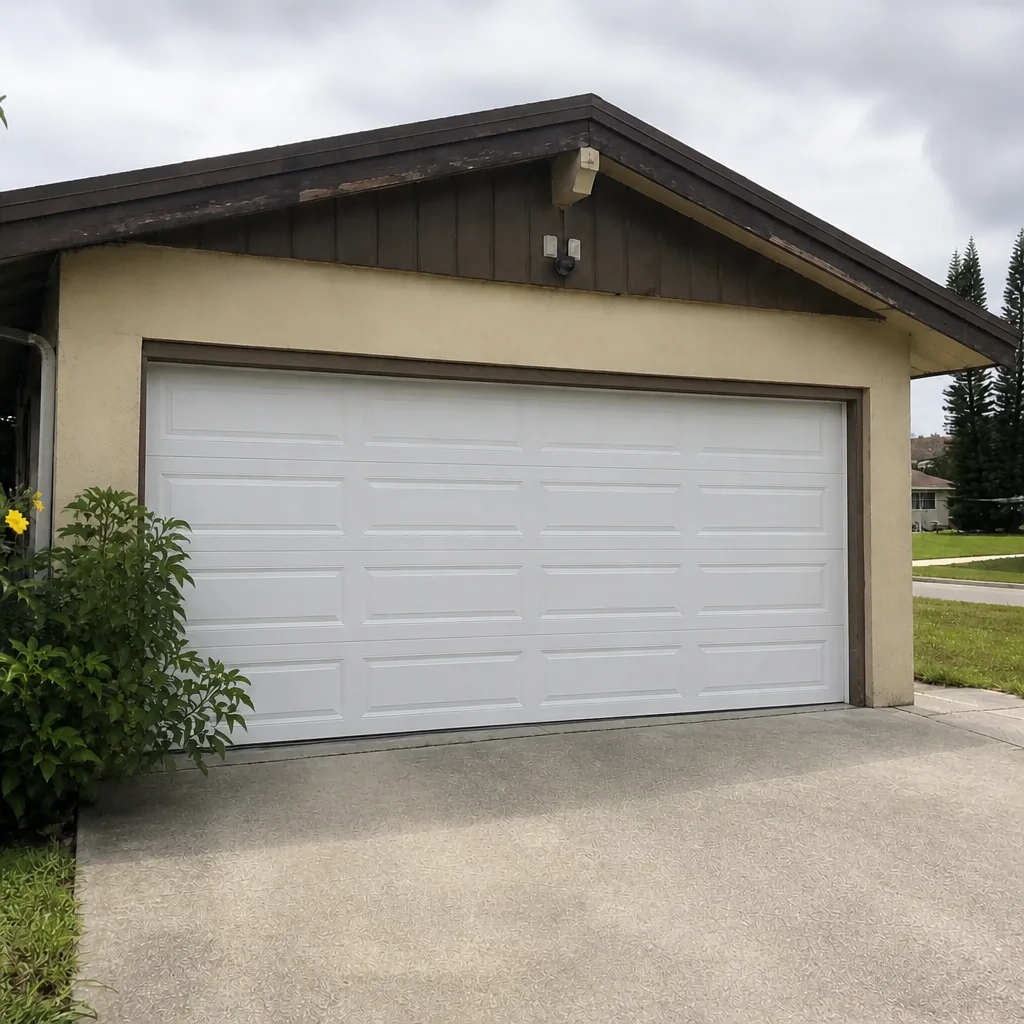
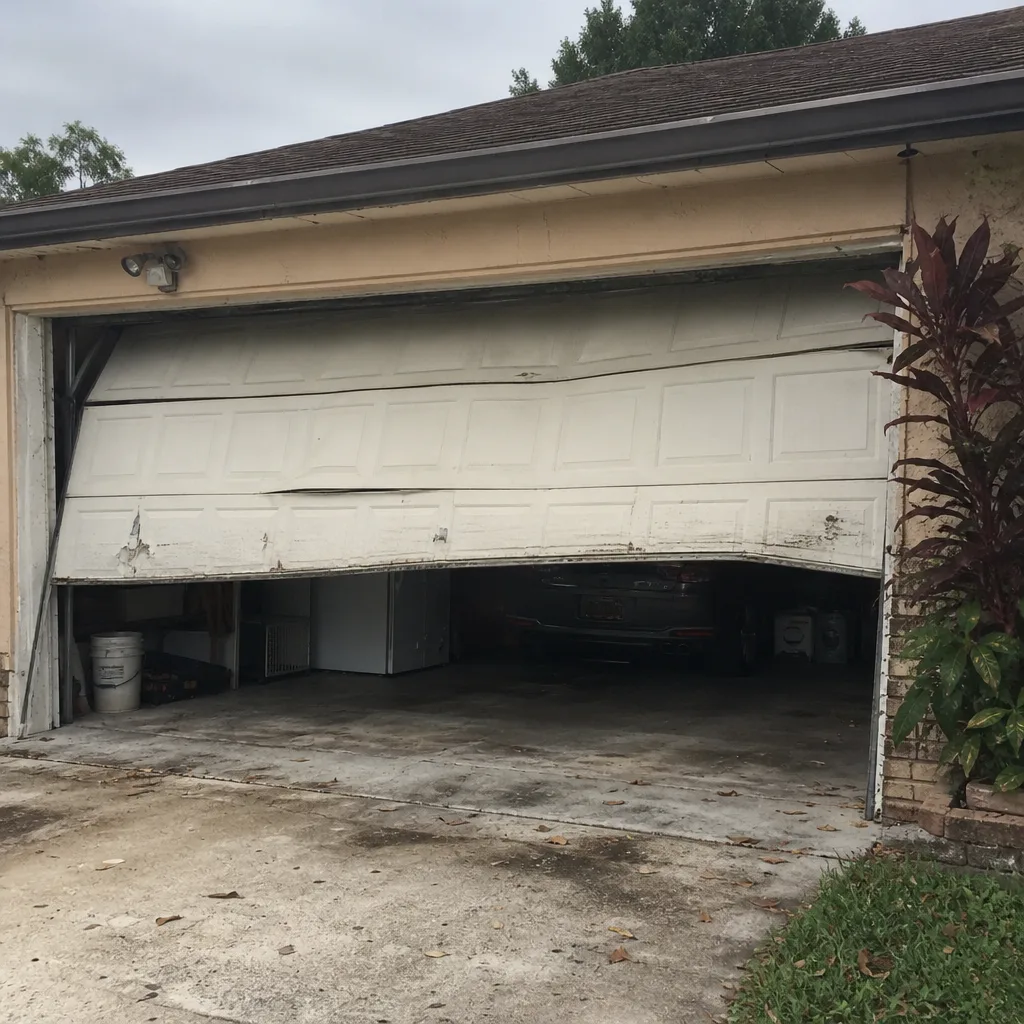
See the difference
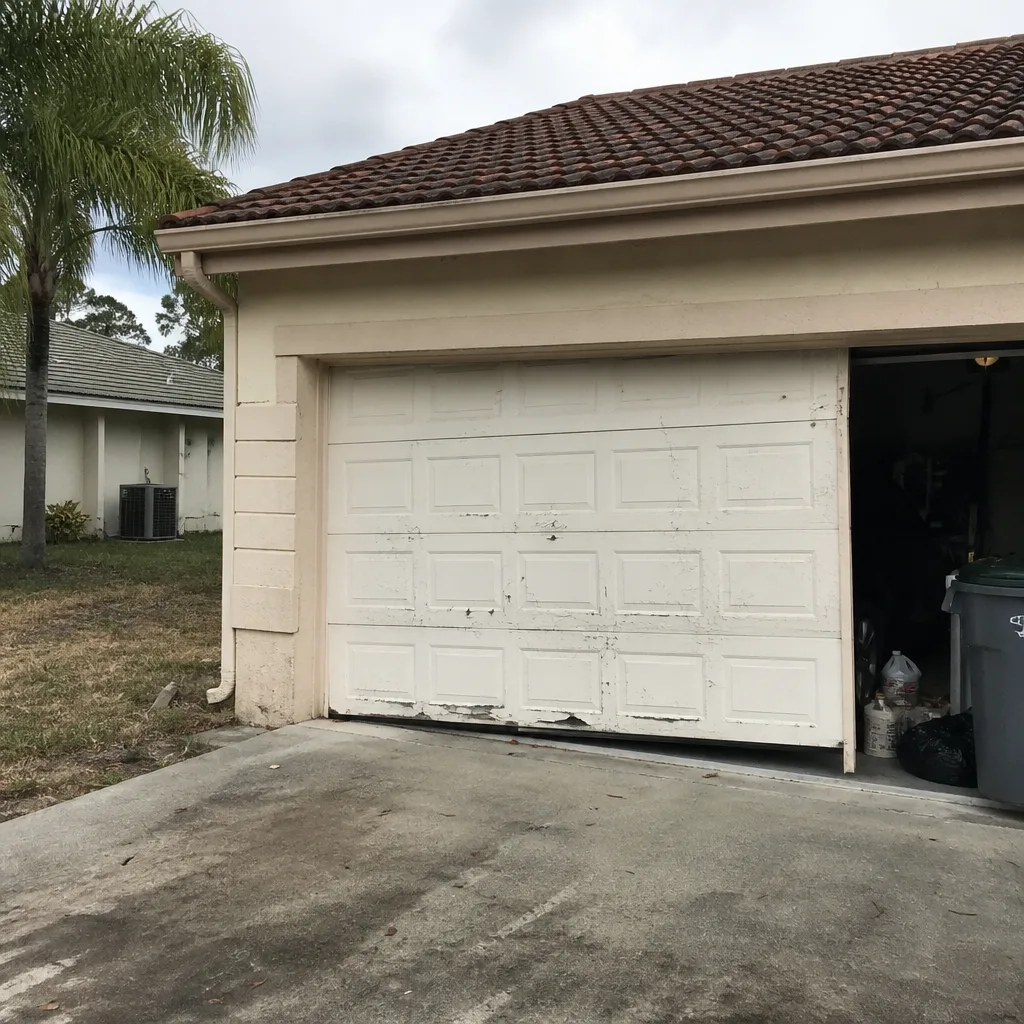 Before
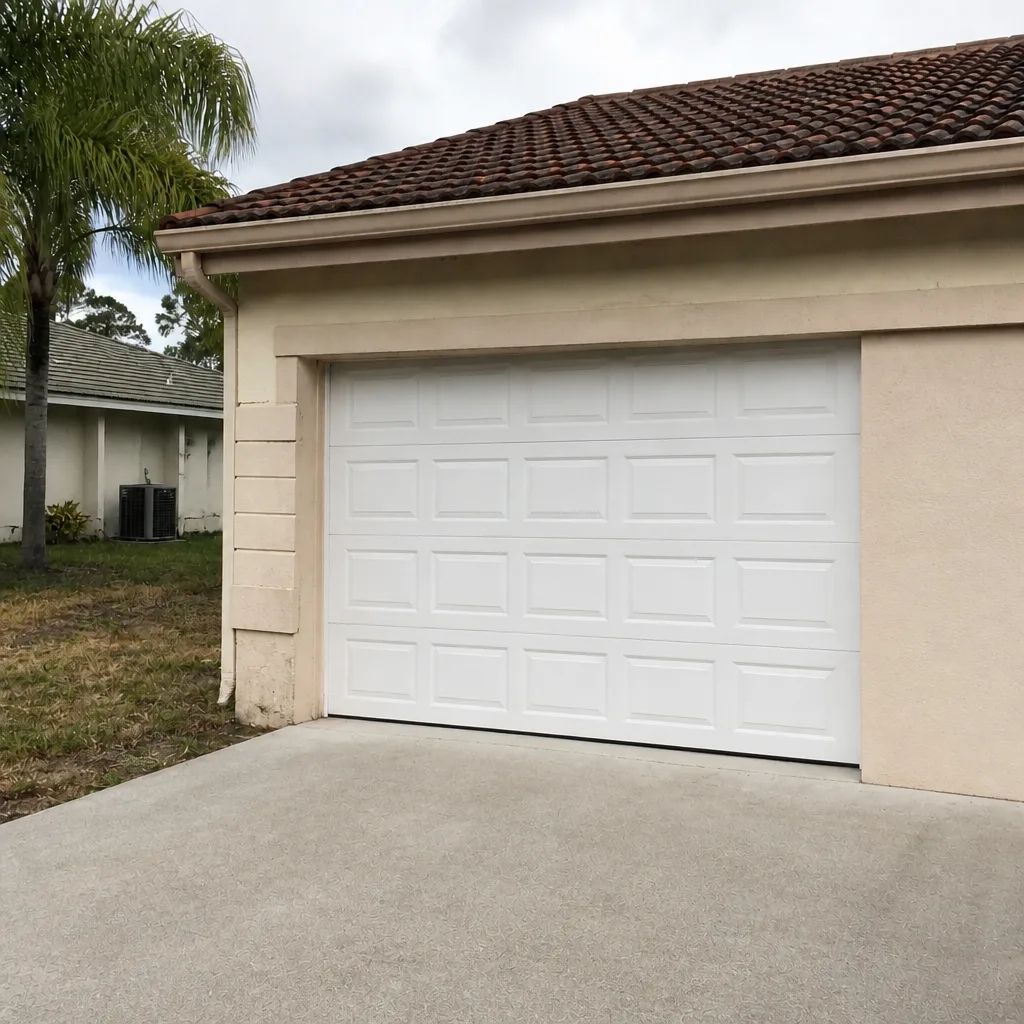 After
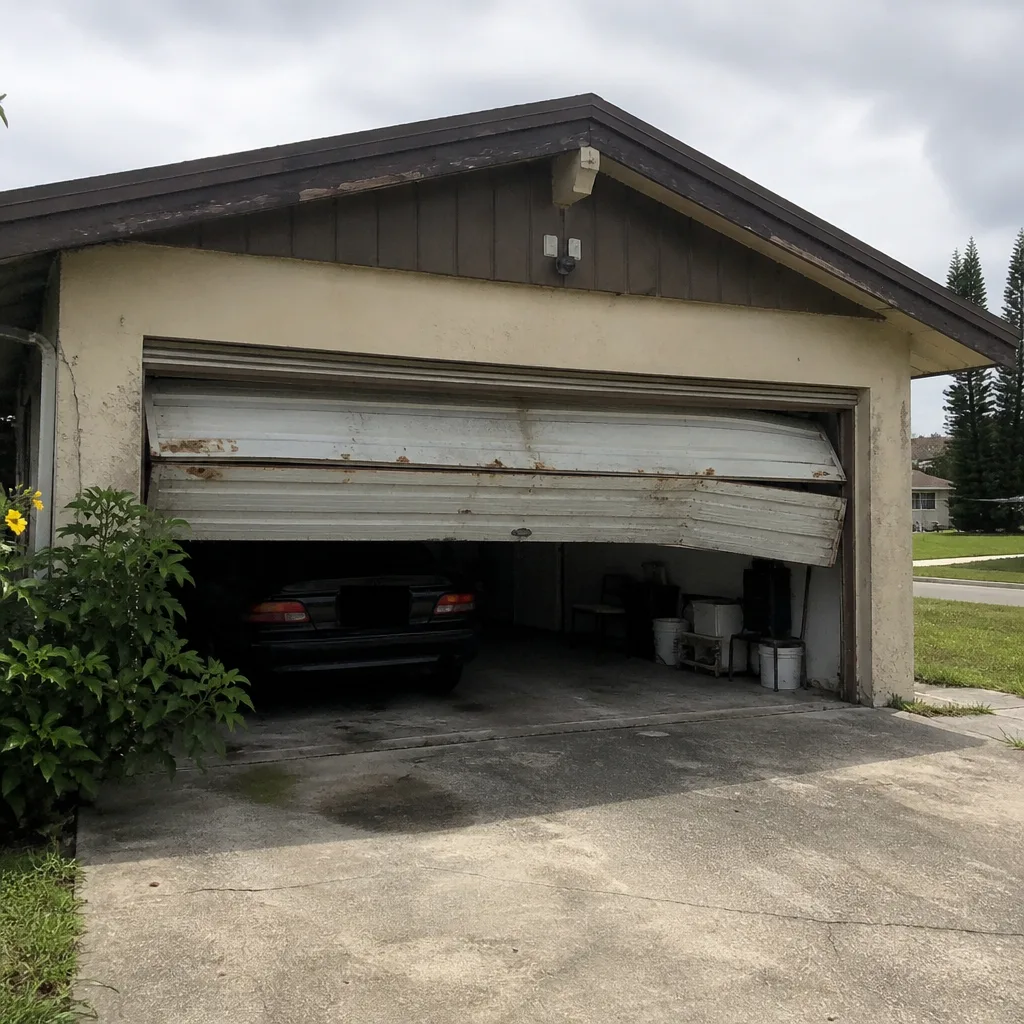 Before
 After
 Before
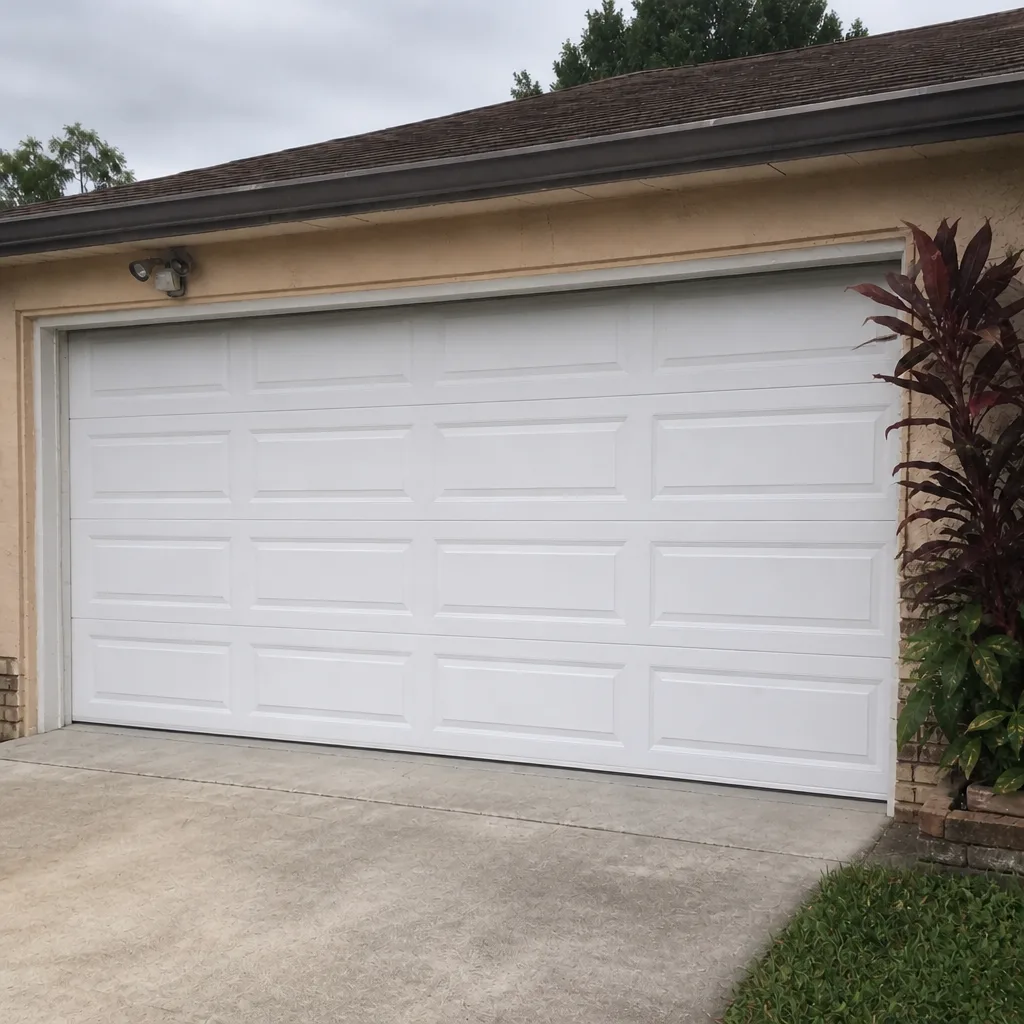 After