
Last updated November 22, 2026
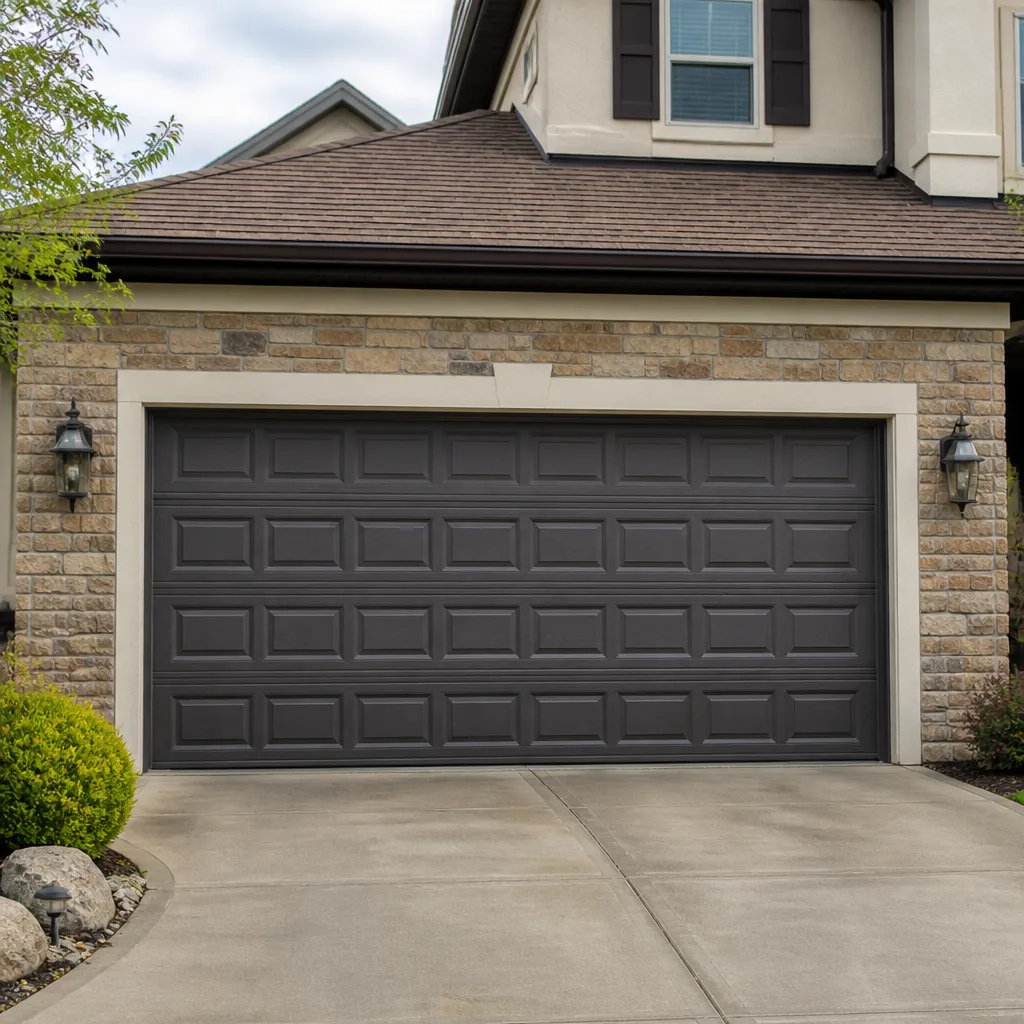 Raised-panel steel
 Carriage house
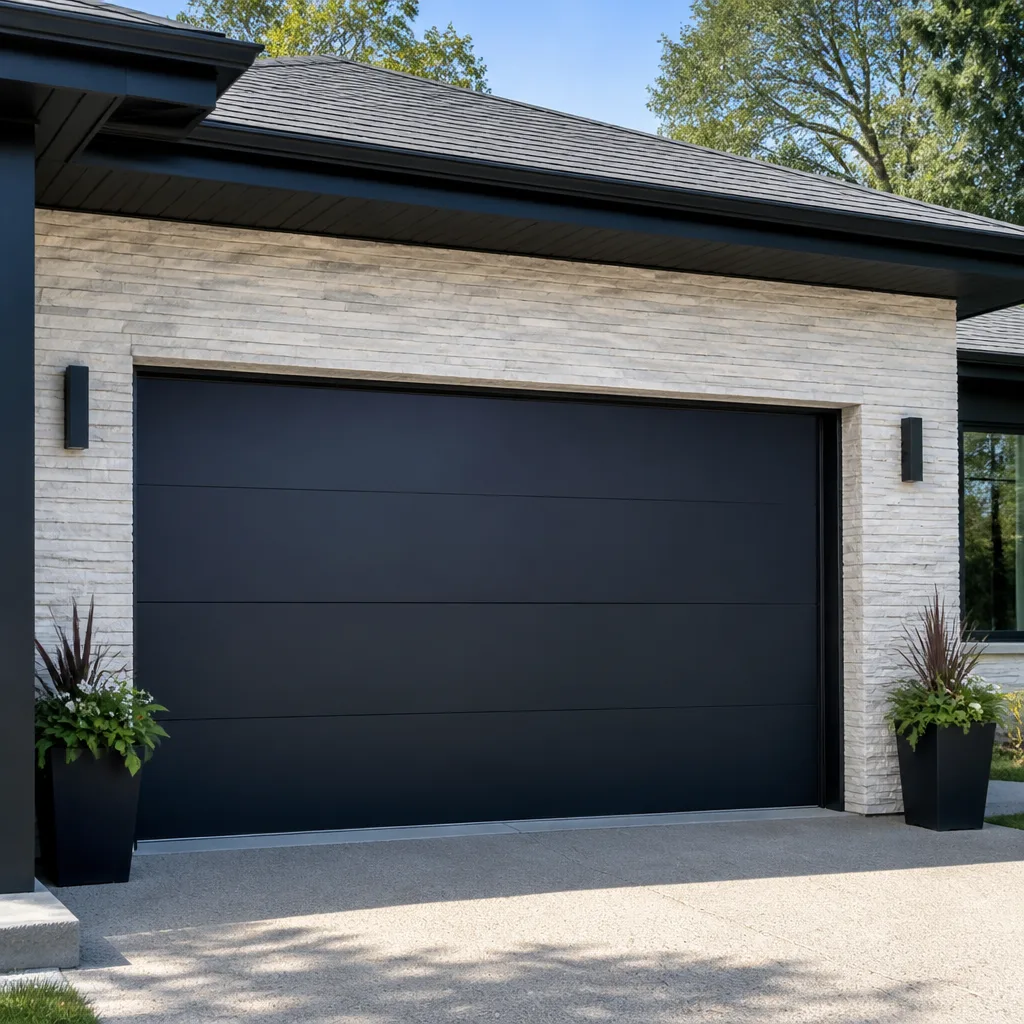 Modern flush
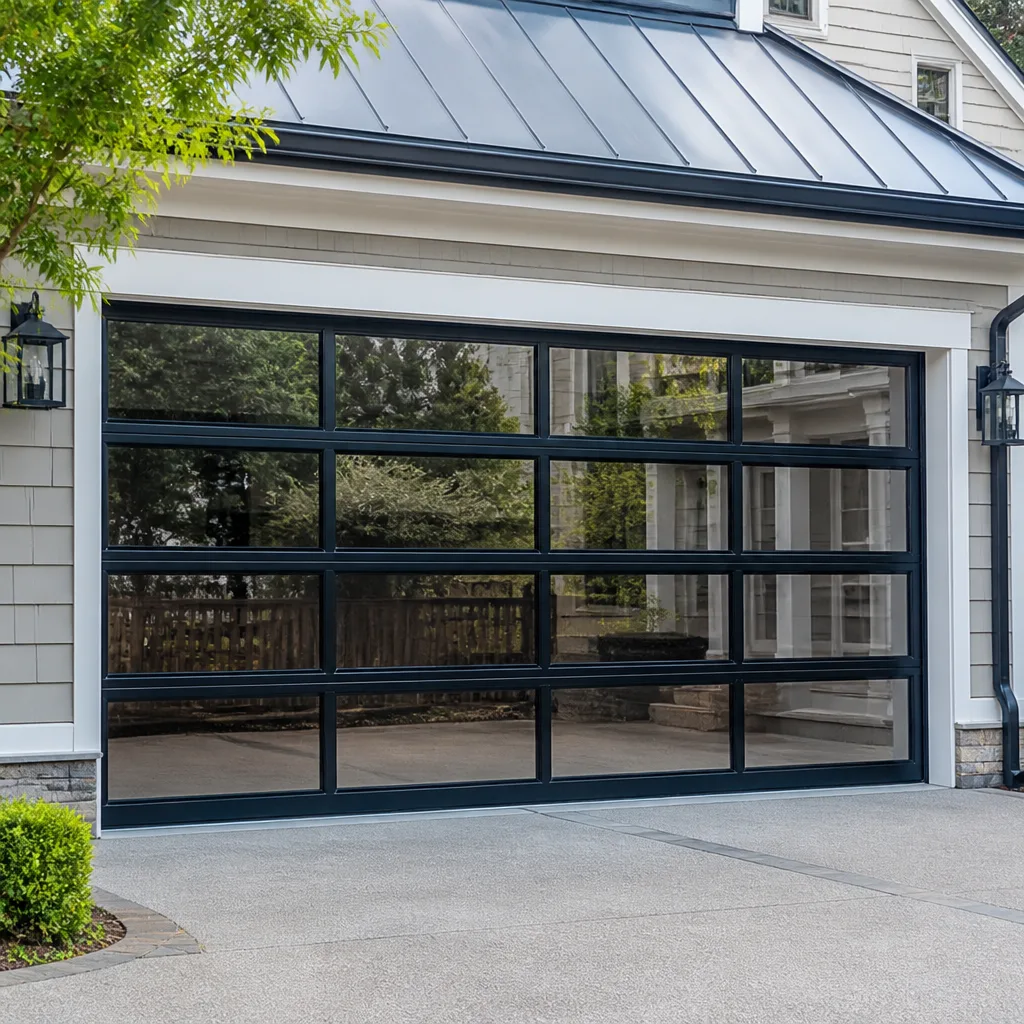 Full-view glass
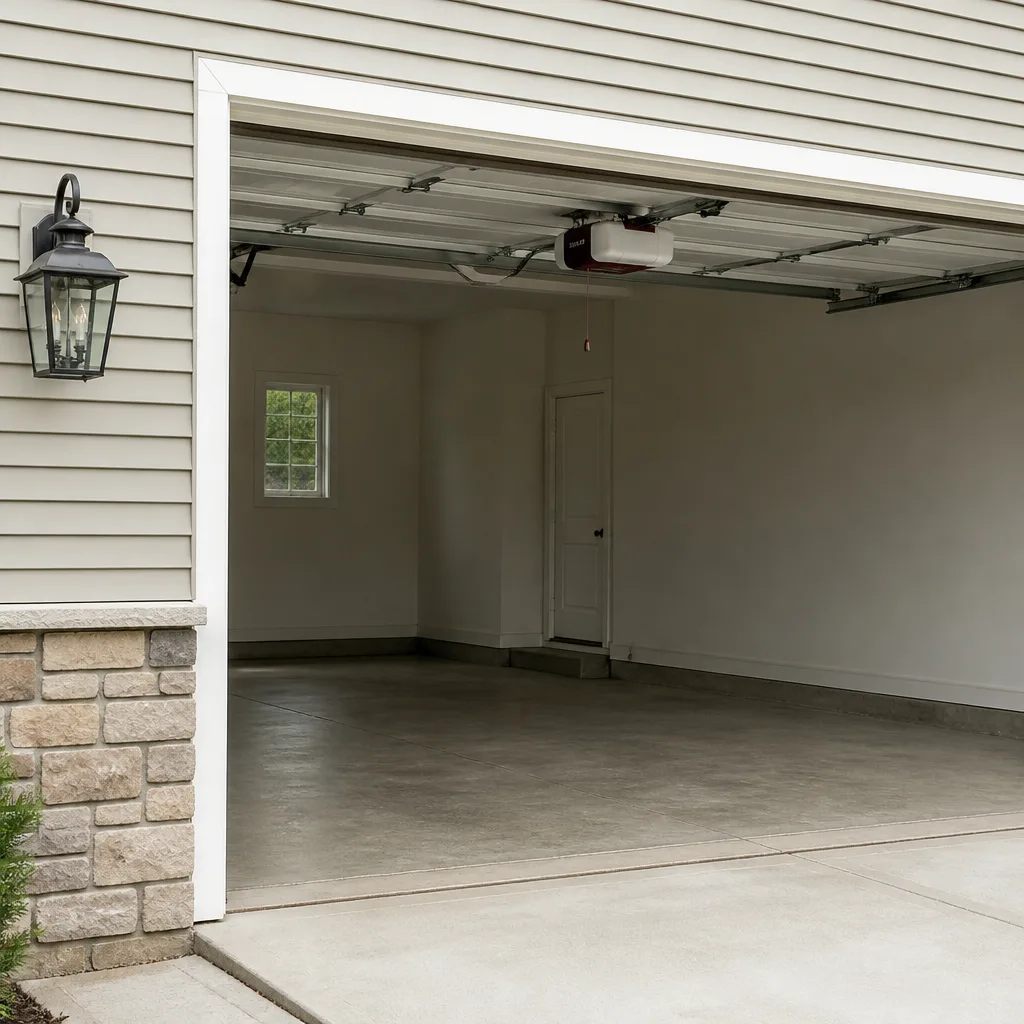 LiftMaster openers
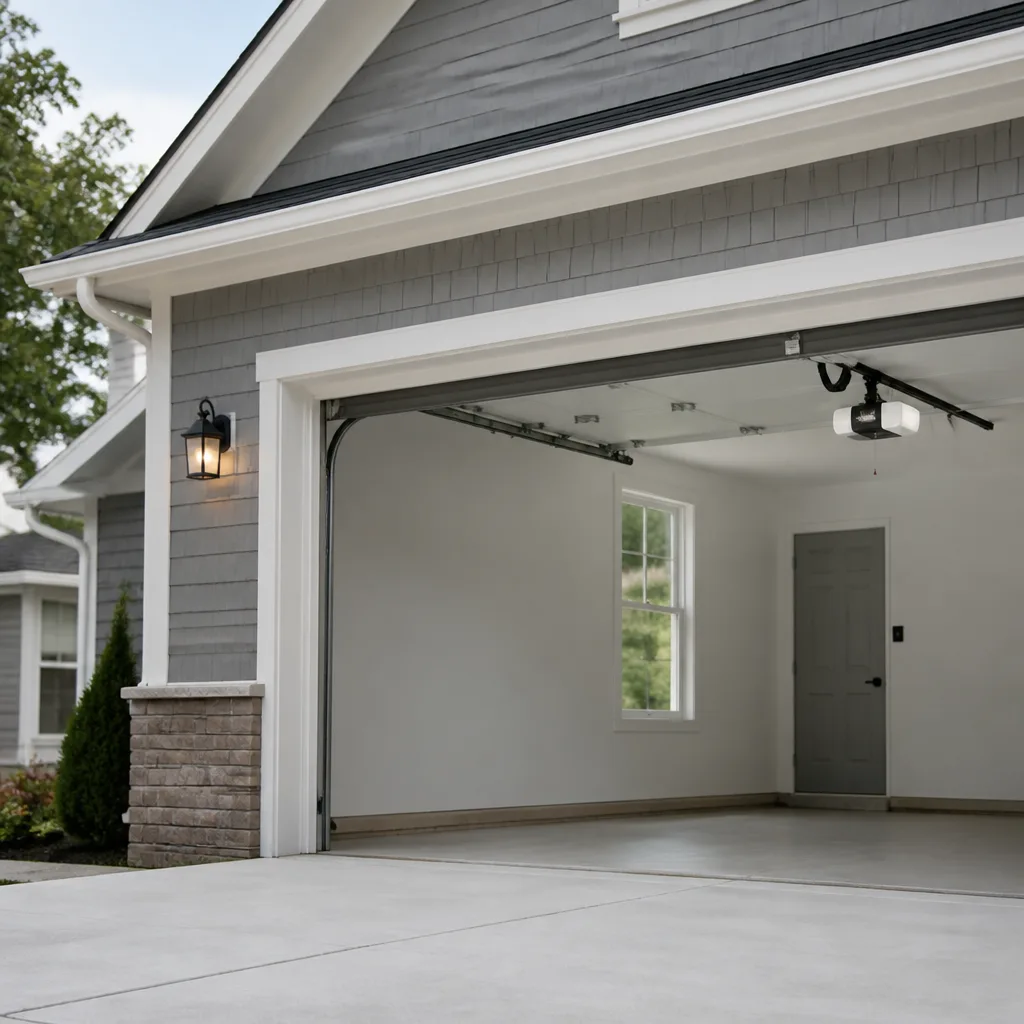 Chamberlain openers
Full 25-point door and opener safety check with every visit - springs, cables, rollers, tracks, and your LiftMaster or Chamberlain opener included
You get a price before we start. It does not change when the pro arrives.
Get your free estimateGarage Door Repair Troubleshooting in Miramar: Common Problems and How to Fix Them
If you unplugged your opener and the door still won’t lift by hand, your problem isn’t electrical. Swapping the remote battery, resetting the wall button, and cycling the breaker won’t touch a broken torsion spring. That’s the first misconception we correct: a garage door is a mechanical system with four linked parts (springs, cables, tracks, and opener), and the symptom almost never points at the part that actually failed. A door that won’t open is usually a spring problem wearing an electrical disguise. This guide walks you through the diagnostic order a technician actually uses in Miramar, starting at the spring and working inward, so you can tell a five-minute adjustment from a genuine emergency.
Quick Answer
Most garage door failures in Miramar trace back to one of four causes, diagnosed in this order: weak or broken torsion spring tension, a frayed or off-track cable, a bent or misaligned track, or an opener logic fault. Check the spring first, the cable second, the track third, and the opener last. Anything involving springs or cables under tension should go to a trained technician; lubricating hinges and resetting a limit switch are the two fixes that are genuinely safe to do yourself.
Styles & brands we work with
- Raised-panel steel
- Carriage house
- Modern flush
- Full-view glass
- LiftMaster openers
- Chamberlain openers
Table of Contents
- The Correct Diagnostic Order (and Why Skipping Ahead Wastes Time)
- How South Florida Humidity Attacks Your Torsion Spring
- Reading the Noise: Grinding vs. Squealing vs. Popping
- Fixes That Are Safe to Do Yourself vs. Fixes That Aren’t
- Testing a LiftMaster or Chamberlain Opener in Fault Mode
- Stuck-Open and Stuck-Closed Doors: What to Do First
- Why Brand Knowledge Changes the Diagnosis
The Correct Diagnostic Order (and Why Skipping Ahead Wastes Time)
Technicians don’t start at the remote. They start where the stored energy lives, because that’s where the failure almost always begins and where it’s most dangerous to guess wrong.
- Spring tension. With the door closed, look at the torsion spring above the door or the extension springs along the sides. A spring with a visible gap in the coil has snapped. A spring that looks whole but can’t hold the door is fatigued. This is step one because a tired spring masks itself as an opener problem.
- Cable condition. Cables run from the bottom corners up to the drums. Frayed strands, a cable sitting loose off its drum, or slack on one side signals a cable failure that will only get worse.
- Track alignment. Run your eye down each vertical and horizontal track. Dents, bends, or a gap where the sections meet mean the rollers are binding, not the opener.
- Opener logic board. Only after the mechanical side checks out do you look at the opener. If the spring, cable, and track are sound and the door moves freely by hand, the fault is in the head unit.
We’ve seen homeowners in Miramar replace a perfectly good opener when the real problem was a fatigued spring the whole time. That’s the cost of skipping ahead. Diagnosing in order saves money and, more importantly, keeps hands away from parts under tension. If the door won’t lift by hand at all, treat it as a spring or cable failure and stop there. You can read more about how we handle that specific failure on our garage door spring repair page.
How South Florida Humidity Attacks Your Torsion Spring
Miramar’s humidity is the quiet enemy of every torsion spring in the city. Springs are oil-tempered steel under constant load, and the moisture that hangs in the air here most of the year accelerates surface rust on the coils. Rust doesn’t just look bad; it eats into the metal and creates stress points where the coil eventually fails.
Here’s what that corrosion looks like before a spring snaps, so you know what to watch for:
- Orange-brown bloom on the coil where the steel should be a clean dark gray.
- Powdery rust dust collecting on top of the spring or falling onto the door below.
- Pitting along the coil wire, small rough spots you can feel with a fingertip.
- Faint creaking on open and close that wasn’t there a season ago.
This is general observation, not a prediction about any one door. But in Miramar, where humidity rarely lets up, a rusty spring is worth flagging early. A technician can assess the coil during a routine look and tell you how much life it likely has left. That’s the kind of call that prevents a snapped spring in the middle of a busy morning. Regular lubrication also slows corrosion, which is one of the few maintenance tasks that genuinely belongs in your hands.
Reading the Noise: Grinding vs. Squealing vs. Popping
Your door is telling you which part is failing. The trick is knowing which noise maps to which component. This table translates the four most common sounds into their likely source.
- Grinding: metal-on-metal contact, usually worn rollers or a dry hinge. The roller isn’t turning freely and is dragging along the track. Lubrication or roller replacement addresses it.
- Squealing: high-pitched and continuous, typically dry hinges, a dry spring, or a torsion tube that needs grease. This one is often a maintenance issue, not a failure.
- Popping: a sharp bang, especially when the door is opening or closing, points at a slipping or jumping cable, or a spring that’s about to let go. Stop operating the door and have it looked at.
- Rattling: loose hardware, a worn roller shaft, or a panel fastener that’s backing out. Usually minor, but worth tightening before it becomes something else.
Cold isn’t a factor here, so a winter squeal isn’t on the list. In Miramar, the humidity and heavy daily use wear on hinges and rollers year-round, which is why squealing tends to creep in gradually rather than all at once. Catching it at the squeal stage costs a few minutes of lubrication. Catching it at the popping stage means a real repair. If a popping sound is coming from the spring itself, don’t keep cycling the door; that’s the moment to call for help.
Fixes That Are Safe to Do Yourself vs. Fixes That Aren’t
There’s a clear line between what a careful homeowner can handle and what puts hands in harm’s way. Springs and cables are on the far side of that line, and no amount of online instruction makes them safe.
Safe to do yourself
- Lubricating hinges and rollers. A few drops of garage door lubricant on each hinge pivot and roller bearing quiets most squeals and extends roller life.
- Resetting an opener limit switch. If the door stops short or reverses before hitting the floor, the travel limits can usually be adjusted from the opener head unit following the manufacturer’s instructions.
- Cleaning the photo-eye lenses. Dirty safety sensors are a common reason a door won’t close, and a soft cloth fixes it fast.
- Replacing a remote battery or re-pairing a remote after a fresh battery.
Not safe to do yourself
- Replacing torsion or extension springs. A wound torsion spring stores tremendous energy. Releasing it incorrectly can cause serious injury, which is why this is a trained-professional job every time.
- Reattaching a cable under tension. Cables hold the door’s weight in tension against the spring. A cable under load can whip and cut if handled wrong.
- Straightening a bent track while the door hangs from it.
- Opening the opener’s motor housing to chase an electrical fault.
We’re not telling you this to push a service call. We’re telling you because spring and cable work genuinely injures people every year. The right move on those two jobs is a trained technician, and that’s what you get when you call us for Miramar Garage Door Repair Co service.
Testing a LiftMaster or Chamberlain Opener in Fault Mode
LiftMaster and Chamberlain are two of the most common smart opener platforms in residential homes, including here in Miramar. Both use onboard LED blink codes to report a fault, and reading them is a fast, safe way to narrow down what’s wrong before you call anyone.
The process is straightforward. Locate the diagnostic LED on the back of the motor unit. Press the learn or diagnostic button, then count the blinks the LED produces.
- Count the blinks, note any pauses. A sequence of blinks separated by a pause tells you which fault code the opener has logged. The pattern repeats.
- Look up the count in your opener’s manual. Each count maps to a specific fault: a wiring problem, a safety sensor issue, a travel-limit problem, or a logic board concern.
- Fix what a code points to if it’s safe (cleaning sensors, checking wiring connections, resetting limits).
- Call for anything beyond that. A code pointing at the logic board or motor isn’t a homeowner fix.
Genie units have their own diagnostic behavior, usually a light pattern and a series of beeps, so the manual matters. Where the codes are less clear, a technician reads them in seconds and knows the part to bring. If you’d like the fault narrowed down and fixed, our garage door opener repair covers LiftMaster, Chamberlain, Genie, and Craftsman heads.
Stuck-Open and Stuck-Closed Doors: What to Do First
A door stuck closed keeps you home. A door stuck open leaves your home exposed, and that’s the case worth treating as urgent. A stuck-open door isn’t just an inconvenience in Miramar neighborhoods like Miramar Park or Sunset Lakes; it’s an open invitation to anyone passing by.
First, isolate the cause with the same sequence: spring, cable, track, opener. If the door won’t move at all by hand, stop trying and call. If the door can be lifted manually (with the opener disengaged via its release cord), you can lower it by hand and secure it. Never force a door that’s binding; that’s how a bent track becomes a bent door panel.
Once the door is down and your home is closed, the repair itself is usually a same-day job for a technician. We treat stuck-open doors as urgent because your security shouldn’t wait for a scheduled slot. For situations that can’t wait, our emergency garage door service handles the call, and we can get the door working safely without you driving to a hardware store first. For the broader scope of repair work, see our garage door repair service.
Why Brand Knowledge Changes the Diagnosis
The brand on your door tells a technician a lot before the truck stops. A LiftMaster opener’s diagnostic logic differs from a Genie’s. Clopay and Amarr doors have their own panel and section quirks. Knowing the make means the technician arrives already understanding the system instead of guessing at it.
We work on your brand, which means we cover product from LiftMaster, Chamberlain, Genie, Clopay, Amarr, Wayne Dalton, Craftsman, and Raynor. That range matters when a repair turns out to be a part-specific fix. A stripped gear in a Chamberlain, a logic fault in a LiftMaster, or a damaged Clopay section each calls for a different approach, and a technician who already knows the platform doesn’t waste a visit on trial and error.
This is the difference between a generalist and a brand specialist. If your opener uses the same smart-home platform the technician trained on, the diagnosis is faster and more accurate. When we send a technician to your Miramar home, the brand on your door is already part of the conversation.
Common Mistakes to Avoid
- Replacing the opener when the spring is the real issue. A dead-looking door with a fatigued spring will still look dead with a brand-new opener attached. Check the spring first and save the money.
- Forcing a binding door. If the door drags or resists, pushing it harder bends rollers and tracks. In our humidity, worn rollers bind more easily, so stop and diagnose rather than force it.
- Ignoring a popping sound. A single pop from the spring or cable is a warning, not a fluke. Cycling the door again and again is the fastest road to a snapped component.
- Trying to wind or unwind a torsion spring yourself. This is the mistake that puts people in the emergency room. Springs under load are a trained-professional job, full stop.
- Skipping lubrication in a humid climate. Because Miramar stays humid most of the year, hinges and springs that go dry squeal and corrode faster. A little lubricant goes a long way.
- Misreading opener blink codes. Guessing at a fault code and replacing the wrong part wastes time. Count the blinks, check the manual, and confirm before ordering anything.
- Assuming a stuck-open door can wait. A door left open leaves the house exposed. Treat it as an urgent call, not a next-week problem.
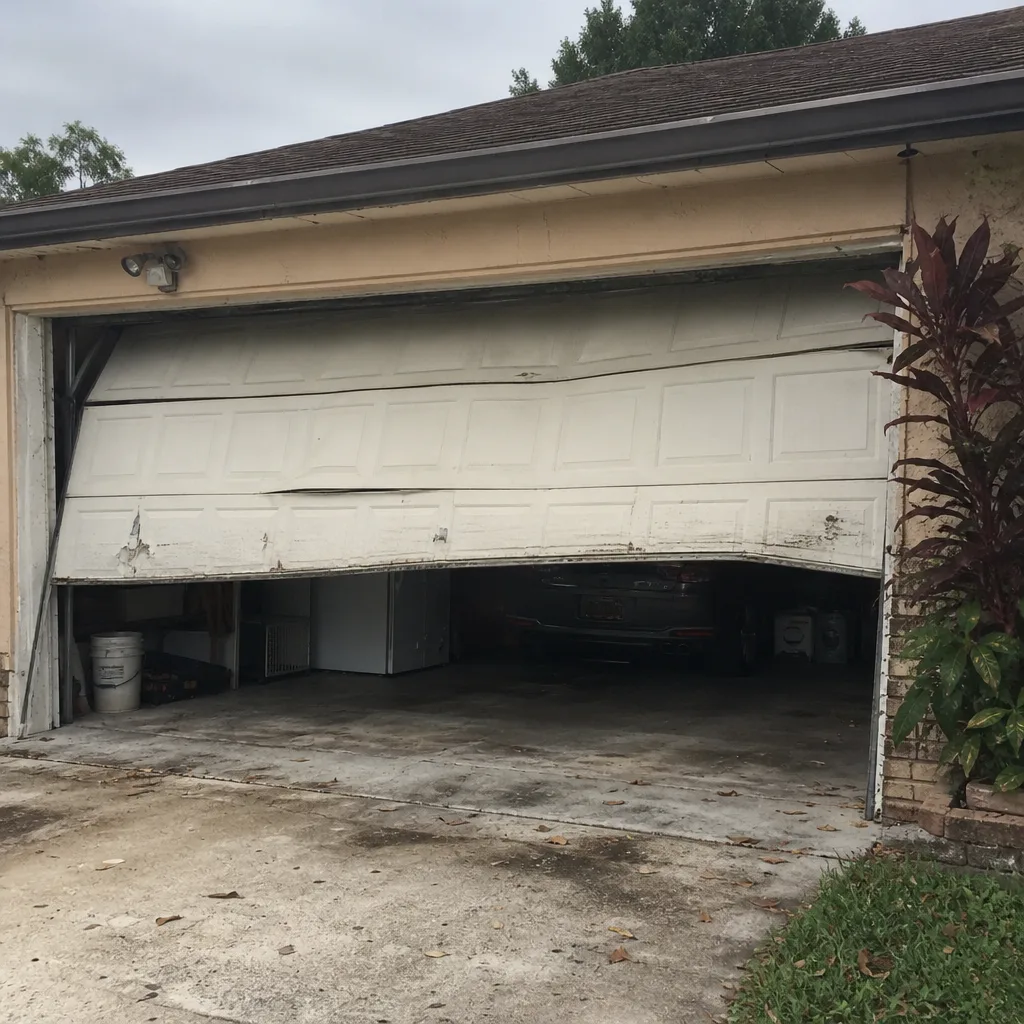
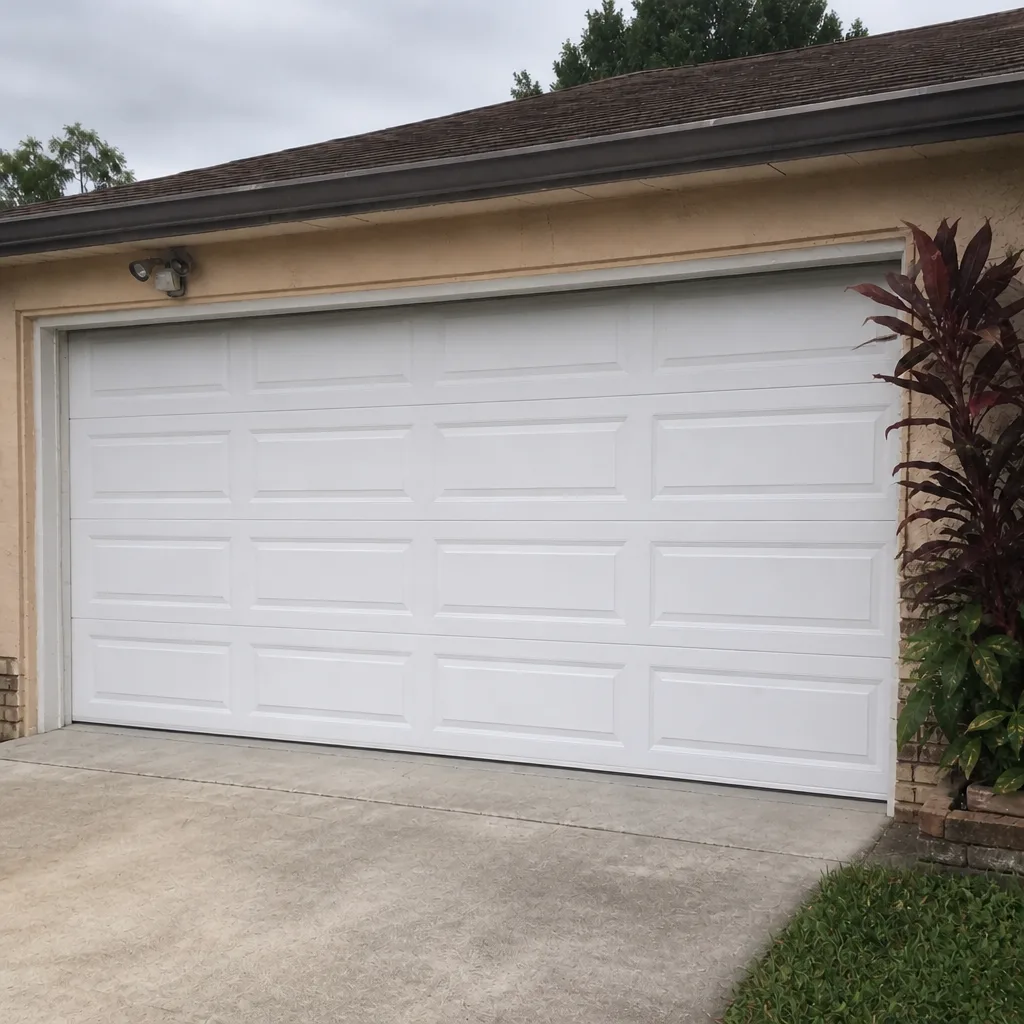
See the difference
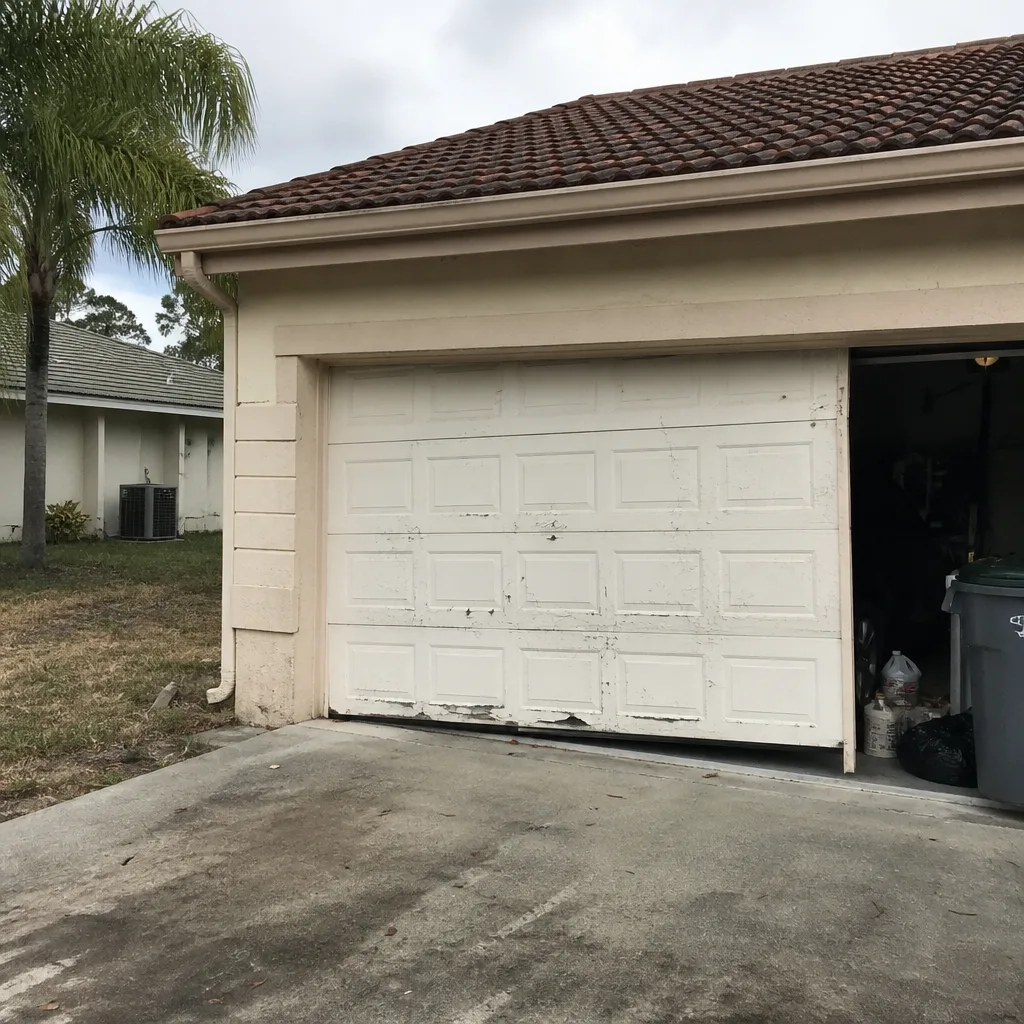 Before
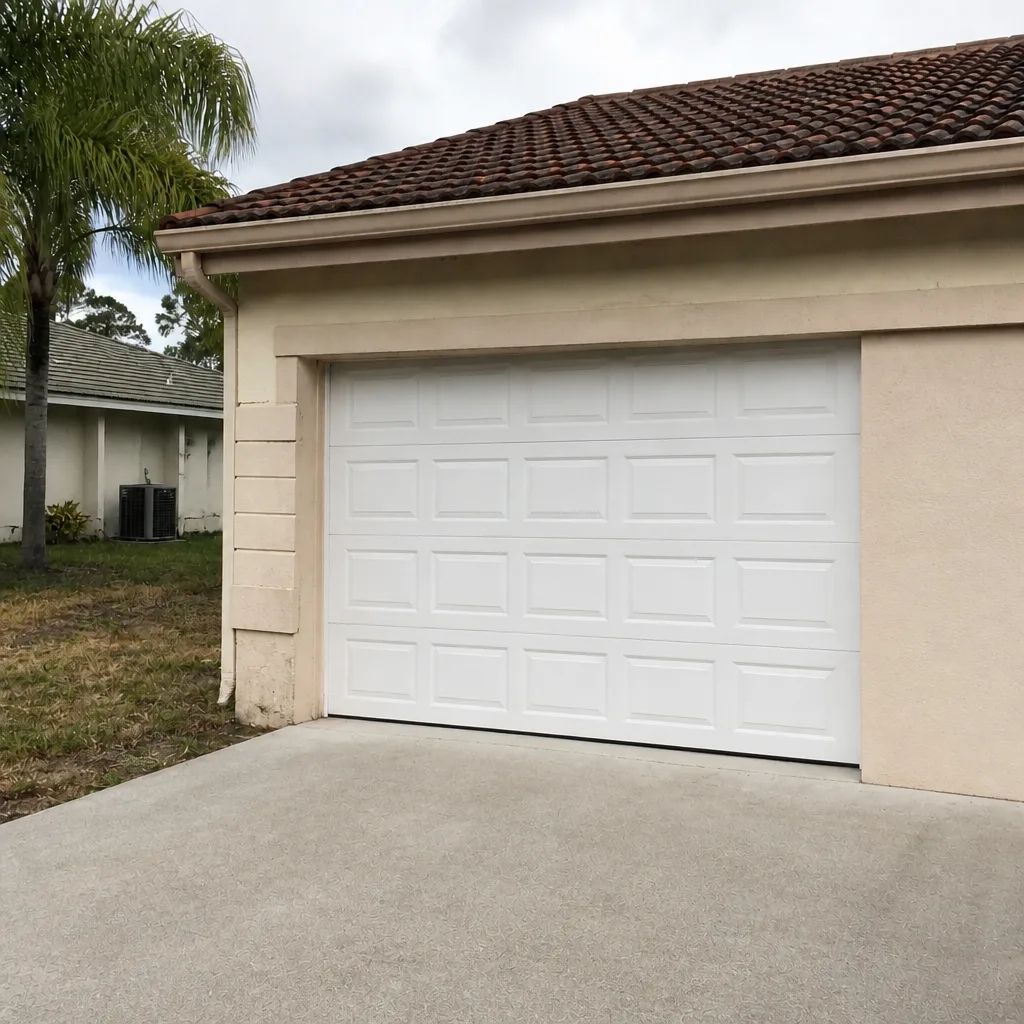 After
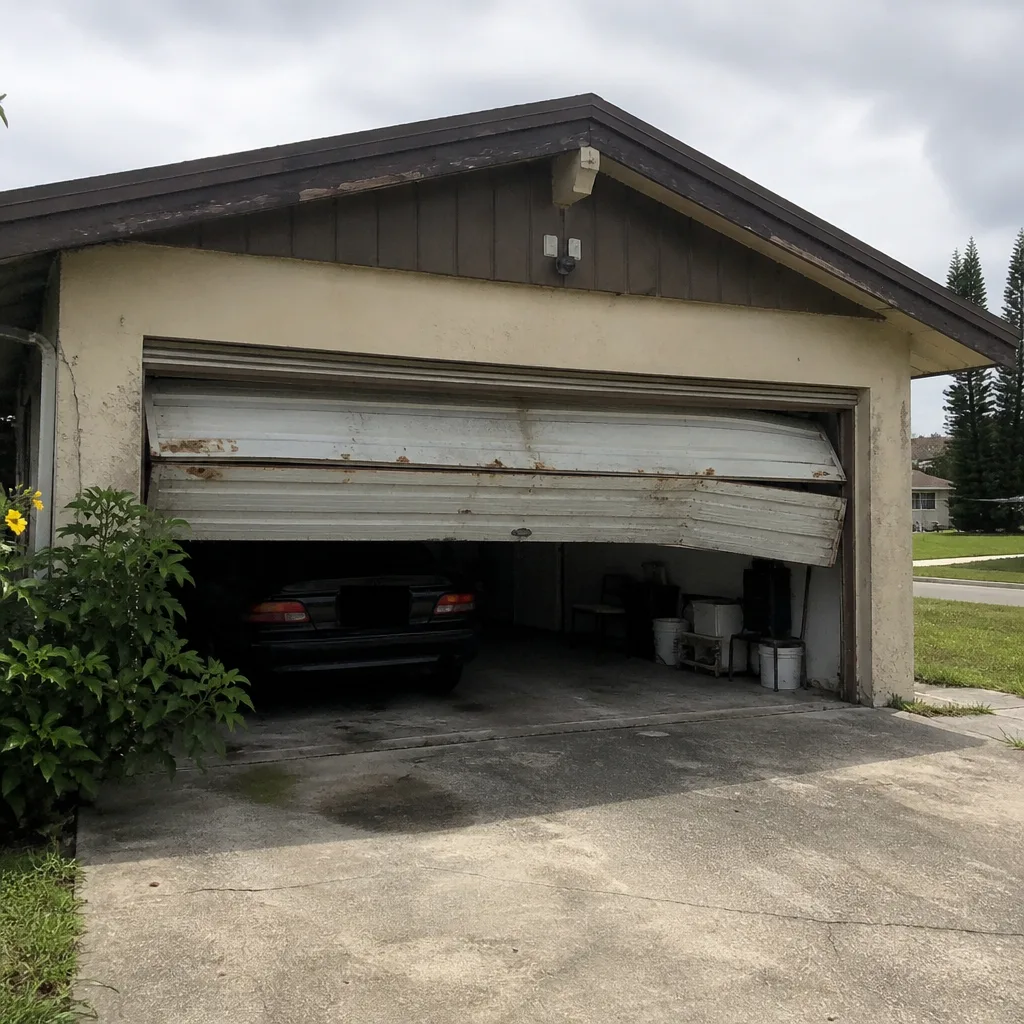 Before
 After
 Before
 After
When to Call a Professional
Call a professional the moment the door won’t lift by hand, a spring shows a gap or heavy rust, a cable looks frayed or loose, or you hear a sharp pop when the door moves. Those are spring and cable situations, and they carry real injury risk if handled wrong. Call sooner if the door is stuck open and your home is exposed, since that’s a security issue, not just a repair. If the door reverses unexpectedly, stops short, or flashes a fault code you can’t resolve, the opener needs a trained eye. Our technicians have up to 9 years of experience and work on your brand. Miramar Garage Door Repair Co offers free estimates in Miramar. Call (866) 937-7841, and we’ll tell you what’s wrong before any work starts.
Frequently Asked Questions
The remote battery rarely explains a door that won’t open, because the problem is almost always mechanical, not electrical. Check the torsion spring first: if it shows a gap in the coil or the door won’t lift by hand, the spring has failed and no remote will fix it. If the spring looks intact and the door lifts freely by hand, then test the opener. Call (866) 937-7841 for a free estimate and we’ll diagnose it properly.
Look for orange-brown rust bloom on the coil, powdery rust dust on the spring or the door below, and pitting along the coil wire. In Miramar’s humidity, that corrosion moves faster, so a rusty spring deserves an early look. A faint new creaking on open and close is another warning sign. Call (866) 937-7841 to have a technician assess the coil before it snaps.
No. A wound torsion spring stores a large amount of energy, and releasing it incorrectly can cause serious injury. This is the one garage door repair that should always go to a trained technician, no matter how many videos you watch. Call (866) 937-7841 and we’ll handle it safely with a written price agreed before any work begins.
A blinking LED on a LiftMaster or Chamberlain opener is a fault code. Count the blinks between pauses, then look up that count in your opener’s manual, which maps it to a specific fault like a sensor issue, a travel-limit problem, or a logic board concern. Genie units use a light-and-beep pattern. If the code points beyond a simple fix, call (866) 937-7841 for a free estimate.
Treat a stuck-open door as urgent, because your home is exposed until the door is closed. If you can safely lower the door by hand using the opener’s release cord, do so and then secure it. Don’t force a binding door that could bend the track. For a stuck-open door that can’t wait, call (866) 937-7841. We answer 24/7 and offer fast dispatch from 7am to 7pm, Sunday through Friday.
No, not while the door is hanging from it. Straightening a bent track under load risks the door coming off the track or dropping, and a bent track usually means a roller or the door weight is out of balance. A technician can realign or replace the section safely. Call (866) 937-7841 for a free estimate on track work in Miramar.
The Bottom Line
The core lesson of this guide is simple: diagnose the system, not the symptom. Start at the spring, move to the cable, check the track, and only then look at the opener. That order saves money and keeps your hands away from the parts under tension. In Miramar’s humidity, watch for spring corrosion and squealing hinges before they turn into a breakdown. Know the safe line: lubricant and limit switches are yours, springs and cables are a technician’s. When a repair is beyond a simple fix, that’s the moment to call.
Contact
If your door is stuck, noisy, or just not behaving the way it used to, we can help. Miramar Garage Door Repair Co covers the full spectrum from spring repair and opener faults to panel work and full replacement, and we work on your brand. Call (866) 937-7841 for a free estimate. We answer 24/7, and our fast dispatch runs from 7am to 7pm, Sunday through Friday. The price is quoted and agreed in writing before any work begins.
Written by the team at Miramar Garage Door Repair Co.