
Last updated November 22, 2026
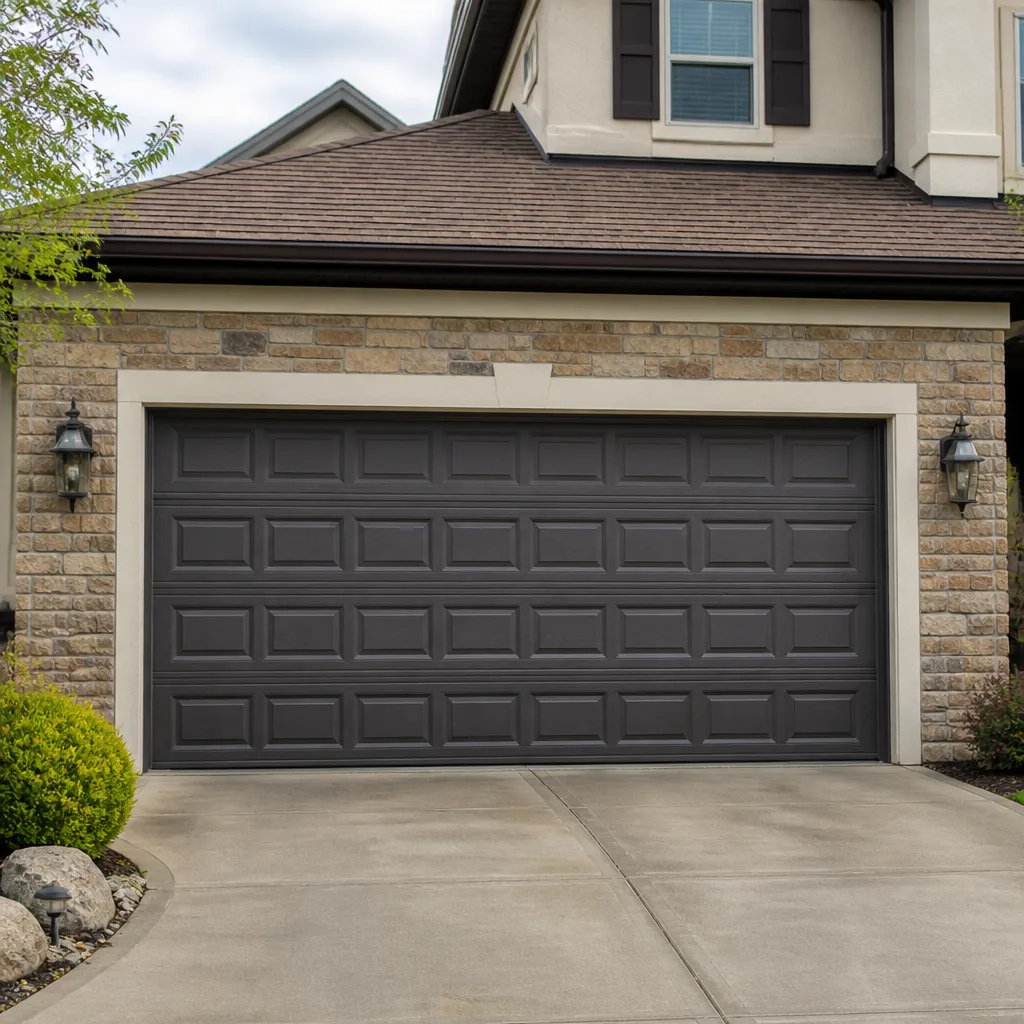 Raised-panel steel
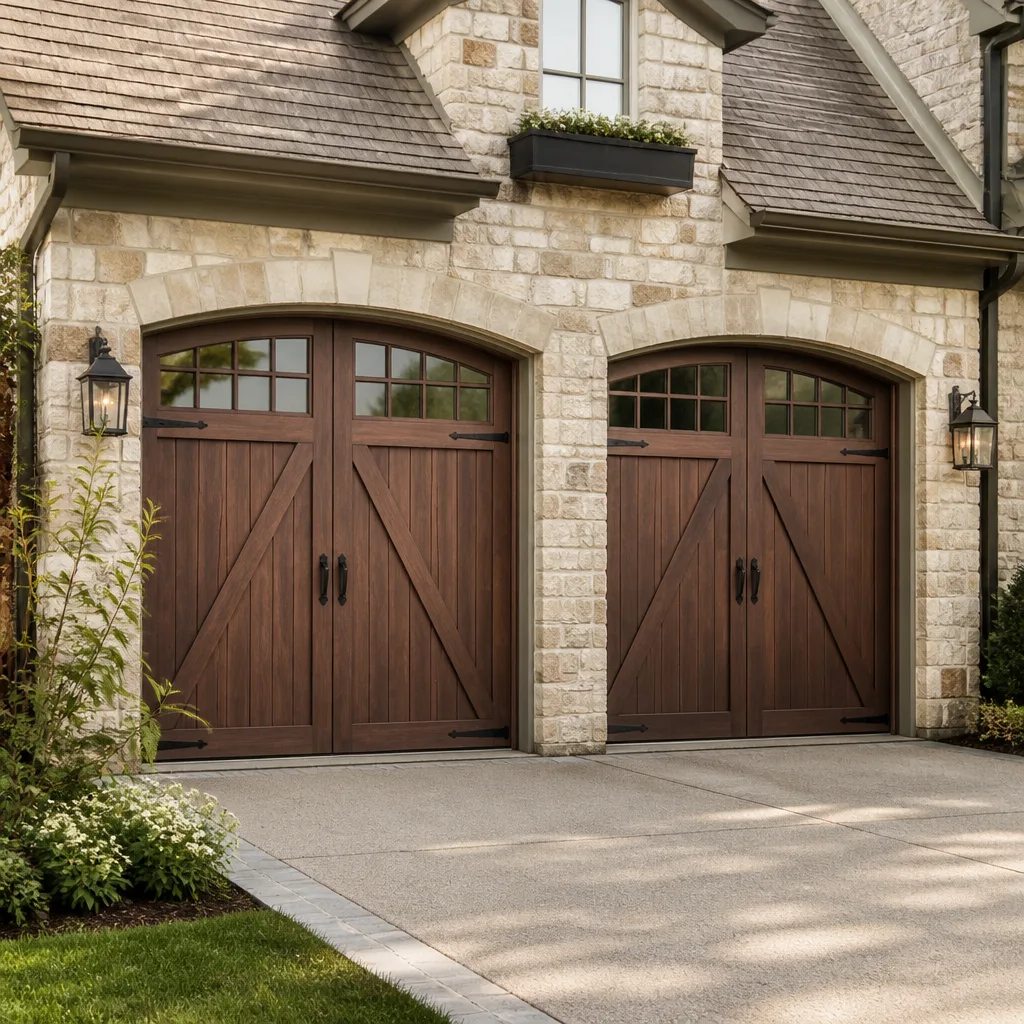 Carriage house
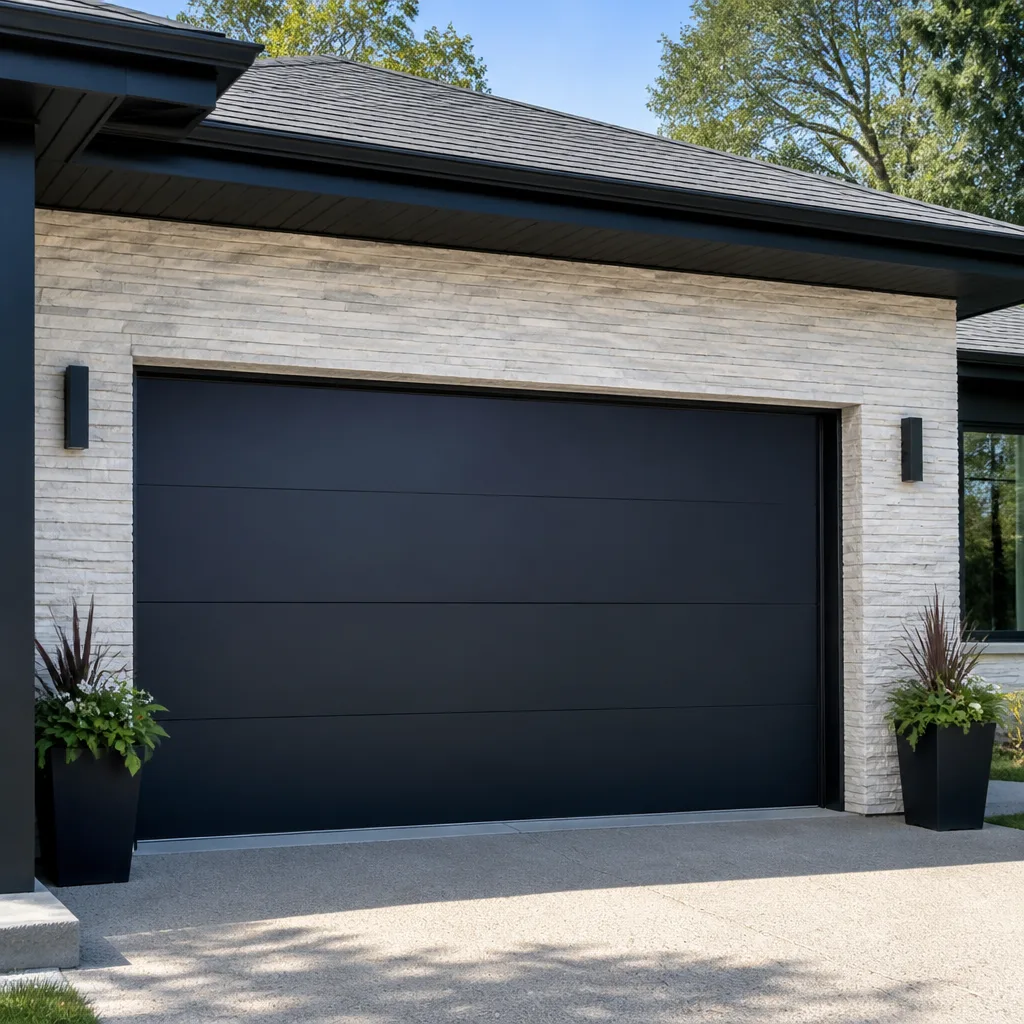 Modern flush
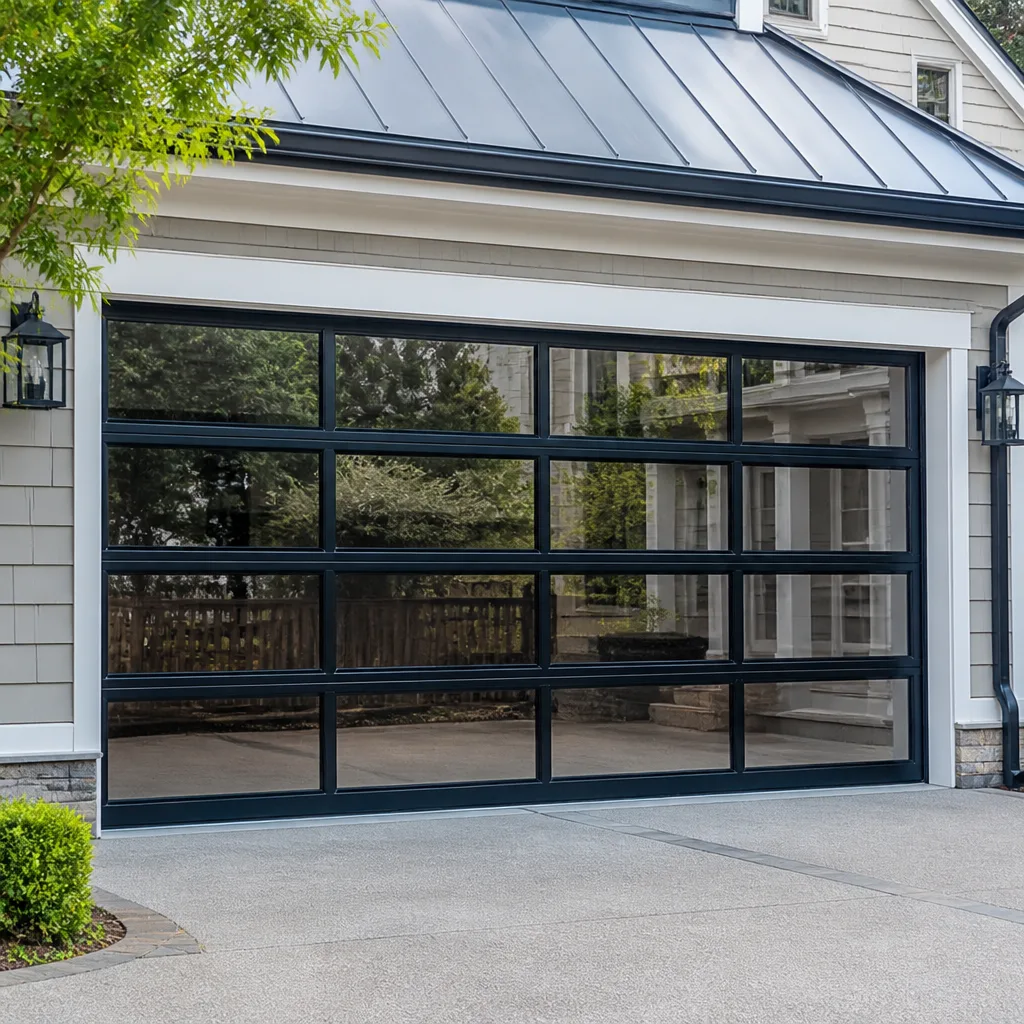 Full-view glass
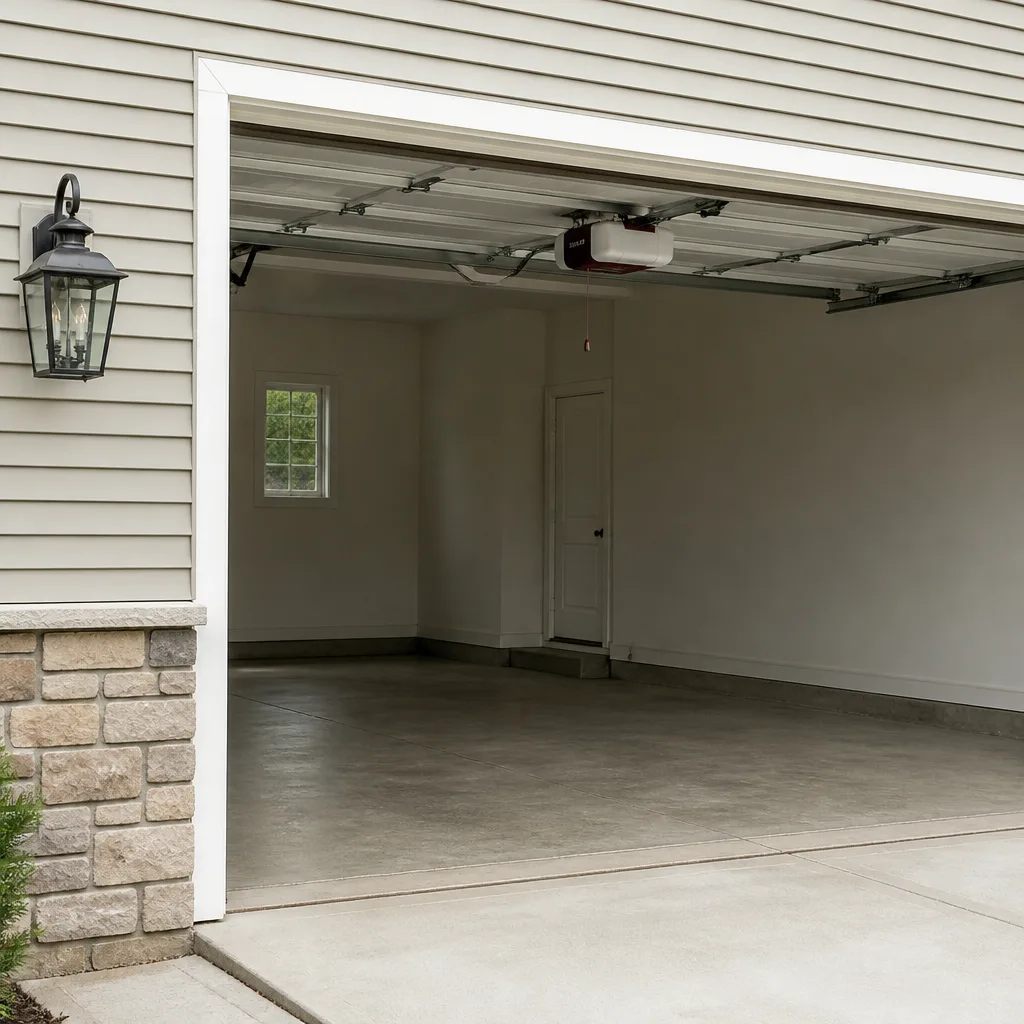 LiftMaster openers
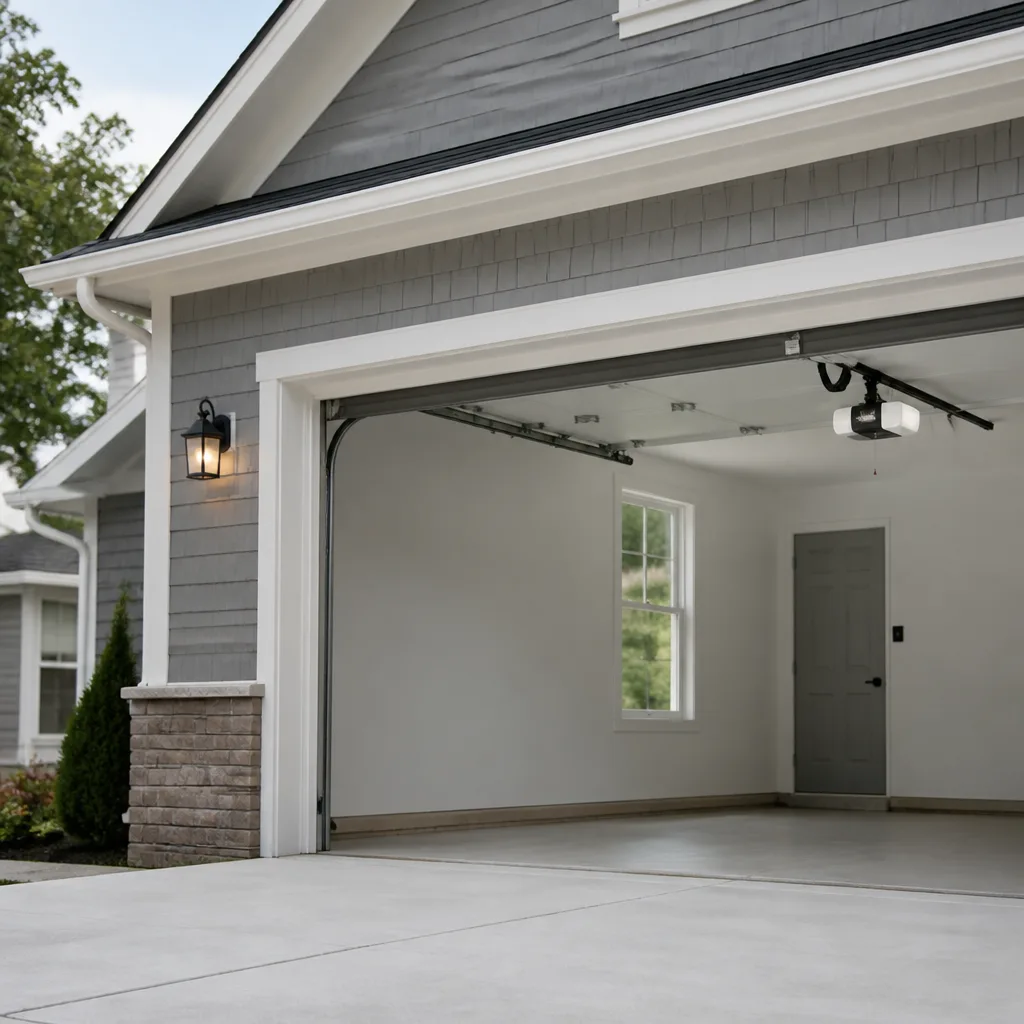 Chamberlain openers
Full 25-point door and opener safety check with every visit - springs, cables, rollers, tracks, and your LiftMaster or Chamberlain opener included
You get a price before we start. It does not change when the pro arrives.
Get your free estimateGarage Door Emergency Preparedness Guide for Miramar Homes
Most homeowners think a garage door problem is random – something that just happens one morning on the way to work. In Miramar, that’s the wrong way to think about it. The real emergency here has a name and a forecast. It’s the afternoon a tropical storm warning goes up, you need to move a car to higher ground or get to family, and the door won’t budge because the opener has no battery backup and the manual release has been frozen in place for years. That’s not bad luck. It’s a solvable problem, and it’s only solvable before the storm. This guide gives you the procedure, the hardware to check, and the decision points to know so you’re not learning your own garage door in the middle of a warning.
Quick Answer
Garage door emergency preparedness in Miramar means three things: a manual release you can actually pull under pressure, an opener with a working battery backup, and a pre-storm plan for locking the door down instead of opening it. Test the red release cord and the external keyed release now, know your opener model, and lock the door closed once a hurricane or tropical storm warning is issued for Miramar.
Styles & brands we work with
- Raised-panel steel
- Carriage house
- Modern flush
- Full-view glass
- LiftMaster openers
- Chamberlain openers
Table of Contents
- Why Garage Door Emergencies in Miramar Are Different
- How to Manually Release and Operate a Garage Door During a Power Outage
- Why the Emergency Release Lock Corrodes and How to Test It
- Battery Backup Openers: What to Choose and What to Expect
- Pre-Storm Protocol: When to Lock It Down and Leave It Closed
- Post-Storm Inspection Before You Re-Engage the Opener
- The Off-Season Maintenance That Prevents Storm Failures
- Common Mistakes to Avoid
- When to Call a Professional
- Frequently Asked Questions
- The Bottom Line
Why Garage Door Emergencies in Miramar Are Different
In a lot of the country, garage door “emergencies” are mundane: a spring snaps, an opener gear strips, a door comes off its track. Those happen in Miramar too – our technicians have up to 9 years of experience dealing with garage door spring repair and the everyday mechanical failures that hit every brand we work on. But there’s a second category of emergency that’s specific to South Florida, and it’s driven entirely by weather.
The threat isn’t gravity, it’s timing. A hurricane or tropical storm gives you warning, and that warning compresses into a very short window when people start moving. The problem is that garage doors fail in ways that only show up when you actually need to use them. A release cord that operates fine in calm weather can be seized. A keyed external release that opens smoothly on a dry day can be corroded shut. An opener can be perfectly reliable and still be useless once power is cut.
What makes this hard to prepare for is that none of these failures are visible during normal use. Your door goes up and down, the opener sounds normal, and everything looks fine. You find out the manual release is frozen at the exact moment you need it. The whole point of this guide is to separate the calm-weather version of your garage door from the storm-prep version, and to close the gap between them on your own schedule.
That preparation has to account for neighborhoods across Miramar that sit at different elevations and drain differently – from the western communities around Sunset Lakes and Silver Lakes to the established blocks near Miramar Parkway and Historic Miramar. During heavy rain, standing water near the garage apron and along low driveways can affect how quickly you can get a car out. Know which way your street drains, and if you’re moving vehicles before a storm, do it before the rain starts, not during. Another local reality: many Miramar homes have a garage that’s the primary entrance, so a door stuck open is also an open door to your house. During a storm, that’s a security issue and a water-intrusion issue at the same time.
How to Manually Release and Operate a Garage Door During a Power Outage
Almost every residential opener has a manual release – a red cord or handle hanging from the trolley carriage. Pulling it disconnects the door from the opener so you can lift it by hand. This is the mechanism that matters most during an outage, and it’s the one to master before you need it. Here’s the sequence.
- Confirm the door is fully closed first. The manual release disconnects the door from the opener and leaves you holding the full weight of a door that can have springs under high tension. Never pull the release with the door open or in motion.
- Locate the red cord or handle. It hangs from the trolley that rides the rail. If you can’t see it, look up along the rail between the door and the opener head.
- Pull straight down. A firm, steady pull releases the trolley carriage from the j-arm. Don’t yank or angle it sideways.
- Lift the door slowly by the handle or bottom section. On a properly balanced door this should feel manageable – a bit like lifting a heavy bike. If it takes real force, stop and call a professional.
- Re-engage by pulling the cord again or running the opener. Most openers re-engage the carriage automatically the next time the opener runs. If it doesn’t, pull the release and cycle the opener once to reset it.
What to do if the trolley carriage is seized
A seized carriage is the failure most people don’t discover until a storm. If the cord pulls but the carriage won’t release, or the cord itself won’t move at all, the release mechanism has likely corroded or the carriage is jammed on the rail. Don’t force it. Forcing a stuck release can damage the j-arm or the trolley. This is the exact scenario where emergency preparedness does its job: you find out in March instead of the day before a storm, and you can get it repaired in calm weather. Our garage door opener repair work covers release mechanisms, carriage assemblies, and opener internals on LiftMaster, Chamberlain, Genie, and Craftsman units, so a seized trolley is a straightforward fix when we can get to it before the storm.
One more thing to practice: the sequence. Door closed, release pulled, door lifted, door lowered, opener re-engaged. Do it once a season so it’s muscle memory and so you catch a frozen mechanism while there’s time to fix it. If your door is heavy or the spring feels weak during the lift, get a garage door repair inspection – a door that’s hard to lift by hand is a door you won’t be able to open in an outage.
Why the Emergency Release Lock Corrodes and How to Test It
The external keyed release – the lock on the outside of your garage door – exists so you can open the door from outside if you’re locked out or if the opener fails while you’re away. In South Florida’s humid, wet climate, it’s the single most neglected piece of hardware on the whole door. Moisture and long periods of disuse combine to freeze these locks and their connecting cables. Every keyed release we service has a chance of being stuck if it hasn’t been touched in a year.
Here’s how to test it without tools, in about two minutes:
- Insert the key and try to turn it. It should turn smoothly with light pressure. If it needs force or won’t turn at all, the lock is corroded.
- Trace the connecting cable. Look at where the cable runs from the lock down to the release arm on the door. It should be visible, intact, and free of obvious rust or fraying.
- Operate the release from outside. With someone inside to lower the door safely, use the keyed release as it’s designed and confirm it actually disengages the door lock bar.
- Lubricate the keyway and the cable pivot points. A garage-door-appropriate lubricant, applied to the lock cylinder and pivot points, keeps it working. Don’t use WD-40 as a substitute for proper grease on the mechanism.
If the keyed release fails the test – frozen lock, stuck cable, or a release bar that won’t move – that’s not a job to take on with the door up. Get it serviced. On a Miramar home, once water and humidity get into a locked cylinder, the corrosion only gets worse. The reason to test this now is that the keyed release is your backup to your backup: if you come home to a dead opener and the manual release has also failed, the keyed release is your only way in. For broader preparedness planning that ties into the rest of your home, Miramar’s emergency management resources are worth bookmarking alongside this guide, and a scheduled check from Miramar Garage Door Repair Co covers the whole system at once.
Battery Backup Openers: What to Choose and What to Expect
Battery backup is the single most important upgrade for storm-season reliability, and it’s the one most Miramar homeowners discover they lack in the worst possible way. When the grid goes down, a battery-backup opener keeps the door operating from a rechargeable battery – no manual release, no lifting, no drama. You get a normal open and close cycle while everyone else is wrestling with a red cord.
What to know when shopping
Battery backup is a feature, not a default. It’s built into some models and added as an accessory on others, so the model number matters. On the LiftMaster and Chamberlain side – the two most common smart opener platforms in residential homes across Miramar – many current models offer integrated battery backup or a manufacturer accessory that adds it. The exact configuration varies by model and year, so the honest answer is to check your opener’s model plate or manual and confirm whether backup is integrated or accessory. Don’t assume because it’s a smart opener that it has backup.
- Integrated vs. add-on: Integrated backup is built into the opener head. Add-on backup is a separate rechargeable battery and charging module wired to the opener.
- Backup runtime: Expect enough battery to cycle the door a limited number of times after power is lost, not unlimited operation. Manufacturer specs for the specific model will tell you the cycle count; plan for a handful of cycles, not a week of normal use.
- Battery health: Backup batteries age. A backup that worked three storm seasons ago may not hold a charge now. Test it every season by unplugging the opener and cycling the door.
If your current opener is a Craftsman or older unit without backup, upgrading is the cleanest way to solve the problem permanently. We install and service openers across the major brands, including battery backup configurations, and matching the right opener to your door weight and rail setup matters more than the marketing on the box. If you’re also thinking about a full door replacement, garage door installation is a good time to start fresh with a battery-backup opener – and it’s a measured, scheduled job, so get it planned before storm season, not during it.
Pre-Storm Protocol: When to Lock It Down and Leave It Closed
There’s a point in every storm approach where the garage door stops being a convenience and becomes a liability. The door is the largest opening on the house, and during high winds the last thing you want is to be cycling it. The rule of thumb many homeowners follow is to stop operating the door once a hurricane or tropical storm warning is issued and winds are climbing – and in Miramar, that warning is the trigger, not the day before landfall. Here’s the protocol.
- Do all vehicle moves before the warning escalates. Move cars out early. Don’t wait for the first rain bands. The manual release, the driveway, and the street all get harder once water is around.
- Lock the door closed and stop using the opener. Once the warning is up and winds are rising, keep the door down. Don’t open it to check on things. Don’t run it to see if it still works. Every cycle is a chance for a failure while the weather is getting worse.
- Disconnect the opener and secure the door manually. With the door closed, pull the manual release to disconnect the opener, then engage any door lock bars. This keeps the door from being drawn up if the opener is somehow triggered by power coming back on.
- Remove anything that can become a projectile. Loose items leaning against the garage walls, in the garage, or on the driveway can damage the door or become windborne debris.
- Leave it alone until the storm has fully passed. The calm eye isn’t the end of the storm. Wait for official all-clear before you go near the door.
The one exception to “don’t operate”: if you need to get inside to safety and there’s genuinely no other way. In that case, you run the manual release sequence and close the door behind you. There’s no shortage of reminders that a garage door that’s been damaged by wind or debris should not be raised again – it’s a structural and a safety risk. If your door fails to close or latch during storm prep, that’s a real problem worth a call before landfall. Call (866) 937-7841. We answer 24/7.
Post-Storm Inspection Before You Re-Engage the Opener
After the storm passes, the temptation is to hit the button and see if everything’s fine. Don’t. Re-engaging the automatic opener before a proper inspection is how a door that survived the storm gets damaged afterward. A door that’s been rocked by wind or hit by debris can have frame racking, bent track, or displaced hardware that the opener will happily try to force through – which turns a fixable alignment issue into a full replacement. Work through this sequence first.
- Walk the perimeter and look at the door. Check the panels for dents, cracks, or separation from the frame. Look at the vertical tracks and the horizontal rail from both sides.
- Check for frame racking at the corners. Look at the jambs where the track mounts to the wall. Any gap, movement, or angle that looks off is a sign the frame has shifted – and that’s a stop-right-here sign.
- Inspect the track alignment. Tracks should be parallel and true. Look for bends, collapsed sections, or a horizontal track that has dropped out of its hanger bracket.
- Look for displaced hardware. Hinges, rollers, and brackets should all be in place. A roller popped out of a track, a missing hinge, or a bent j-arm means the door isn’t safe to cycle.
- Check the bottom seal and cables. The bottom seal should still sit flat across the floor. Cables should be intact and under tension – never touch or try to reposition a cable yourself.
- Re-engage the manual release and test without power. With the opener disconnected, lift the door by hand through a full cycle. If it lifts smoothly and stays where you put it, the balance is likely intact. If it drops or fights you, stop.
- Only then re-engage the opener and test one full cycle. If anything catches, stutters, or the door doesn’t travel evenly, stop and get it looked at.
Springs and cables are the parts to keep your hands off. They’re under tension and they can cause serious injury. If you see a broken spring or a slack cable, that’s an inspection and repair job. For a full post-storm check on a door that’s seen heavy weather, help from someone experienced matters – and a fast dispatch from 7am to 7pm, Sunday through Friday, gets a technician out when you need it.
The Off-Season Maintenance That Prevents Storm Failures
The best storm preparation in Miramar happens when there’s no storm in the forecast. A small maintenance routine in the dry months keeps the critical hardware working when the weather turns. Most of it you can do yourself; the rest is a check to have on your calendar. Here’s the short list.
- Test the manual release every season. Door closed, cord pulled, door lifted by hand, re-engaged. Two minutes, and it’s how you find a seized carriage before a storm.
- Test the keyed external release every season. Key in, turn, operate. If it binds, lubricate and retest.
- Test battery backup every season. Unplug the opener, run the door on battery, plug it back. If it won’t run or barely runs, the battery needs replacement.
- Lubricate tracks, rollers, and hinges. A garage-door lubricant on rollers, hinges, and the spring coil keeps the whole system moving and keeps moisture out.
- Balance check. Disconnect the opener, lift the door halfway, and let go. A balanced door stays put. If it drops or rises, the springs need attention.
- Look at the door once a month. A quick visual for bent panels, loose hardware, or a track that’s out of parallel catches most problems early.
Between checks, keep one eye on the weather. Miramar gets its share of heavy rain and weather systems between June and November, and the pattern is easy to learn: the more storms you’ve seen go through, the more useful a seasonal check gets. If you’re a property manager with several units, a scheduled season check for each door is worth the small cost compared with a post-storm scramble across multiple buildings. And if your door is showing age – sagging panels, a noisy opener, a slow close – that’s the season to deal with it, not the day before a warning.
Common Mistakes to Avoid
- Never pull the manual release with the door up. It removes the opener’s hold on a door that can have serious weight, and the door can come down. Always release with the door closed.
- Ignoring the keyed external release until you’re locked out. Corroded locks and cables are a common Miramar problem thanks to humidity, and the external release is your fallback access point. Test it every season.
- Assuming a smart opener has battery backup. Smart capabilities and battery backup are different features. Check your model plate and confirm. Don’t find out the hard way.
- Running the door during a warning. Once a hurricane or tropical storm warning is issued and winds are climbing, lock the door down and leave it closed. Don’t test it “just to see.”
- Re-engaging the opener before a post-storm inspection. A racked frame or a bent track that the opener forces through can turn a repair into a replacement.
- Leaving loose debris in or around the garage during storm prep. Anything that can move in wind can become a projectile against the door or through a panel.
- Touching springs or cables to fix a door that won’t lift or stay up. Springs are under extreme tension. Call a professional. It’s not a DIY item.
When to Call a Professional
Some of this is worth doing yourself, and some of it isn’t. Call a professional if any of these apply: your manual release or trolley carriage is seized or won’t re-engage; your keyed external release won’t turn or won’t operate the lock bar; your battery backup won’t hold a charge through a season check; your door won’t lift evenly by hand, won’t stay up, or drops when you let go; you see or hear a broken spring, a slack cable, or a bent track; or the door won’t close fully or seal to the floor. After a storm, any visible racking, displaced hardware, or damaged panel is a call-before-you-cycle situation. Miramar Garage Door Repair Co offers free estimates in Miramar – call (866) 937-7841 for a premium check on release mechanisms, openers, springs, and the whole door. Get it working safely before the next warning, not during it.
Frequently Asked Questions
Pull the red manual release cord hanging from the trolley carriage with the door fully closed, then lift the door by hand. If the carriage is seized, don’t force it – that’s a repair. This is why you test the release before storm season. Call (866) 937-7841 to get a seized release fixed before the next outage.
It’s the most practical upgrade for storm-season reliability. Power outages during storms are common, and a battery backup keeps the door operating without the manual release. Confirm whether your opener has integrated backup or needs an add-on – models differ. Call (866) 937-7841 if you want help identifying your opener.
Once a hurricane or tropical storm warning is issued and winds are climbing, lock the door closed and stop cycling it. Do all vehicle moves before that warning escalates. Every cycle during worsening weather is a chance for a failure. Call (866) 937-7841 if the door won’t close or latch before the storm.
Yes. A stuck keyed release is usually corrosion of the lock cylinder or cable, and it’s a fixable service item. Don’t force the key – forcing can snap the cable. Have it serviced in calm weather and test it every season. Call (866) 937-7841 for a free estimate on lock and release service.
Check the panels, the frame corners for racking, the track alignment, and all hinges and rollers for displacement. Then lift the door by hand with the opener disconnected before re-engaging it. If anything looks bent, off-angle, or displaced, don’t run the opener – get an inspection. Call (866) 937-7841.
No. Garage door springs and cables are under high tension and can cause serious injury. Don’t touch, adjust, or disconnect them. A door that won’t lift, won’t stay up, or shows a broken spring needs a trained technician. Call (866) 937-7841 for spring repair – our technicians have up to 9 years of experience.
The Bottom Line
Garage door emergency preparedness in Miramar comes down to three things you can control before a storm: a manual release that works, an external keyed release that opens, and an opener with battery backup that holds a charge. Test all three every season. When a hurricane or tropical storm warning is issued, move vehicles early, lock the door closed, disconnect the opener, and leave it alone until the all-clear. After the storm, inspect before you cycle. That’s the whole protocol, and none of it is complicated – it just has to happen before the warning, not after. Get it working safely now.
Miramar Garage Door Repair Co handles spring repair, opener repair, and the full repair-to-replacement spectrum on LiftMaster, Chamberlain, Genie, Craftsman, Clopay, Amarr, Wayne Dalton, and Raynor systems across Miramar. If you’d like a free estimate on storm-season prep for your door, call (866) 937-7841 for a free estimate. We answer 24/7. Fast dispatch, 7am-7pm.
Written by the team at Miramar Garage Door Repair Co.
See the difference
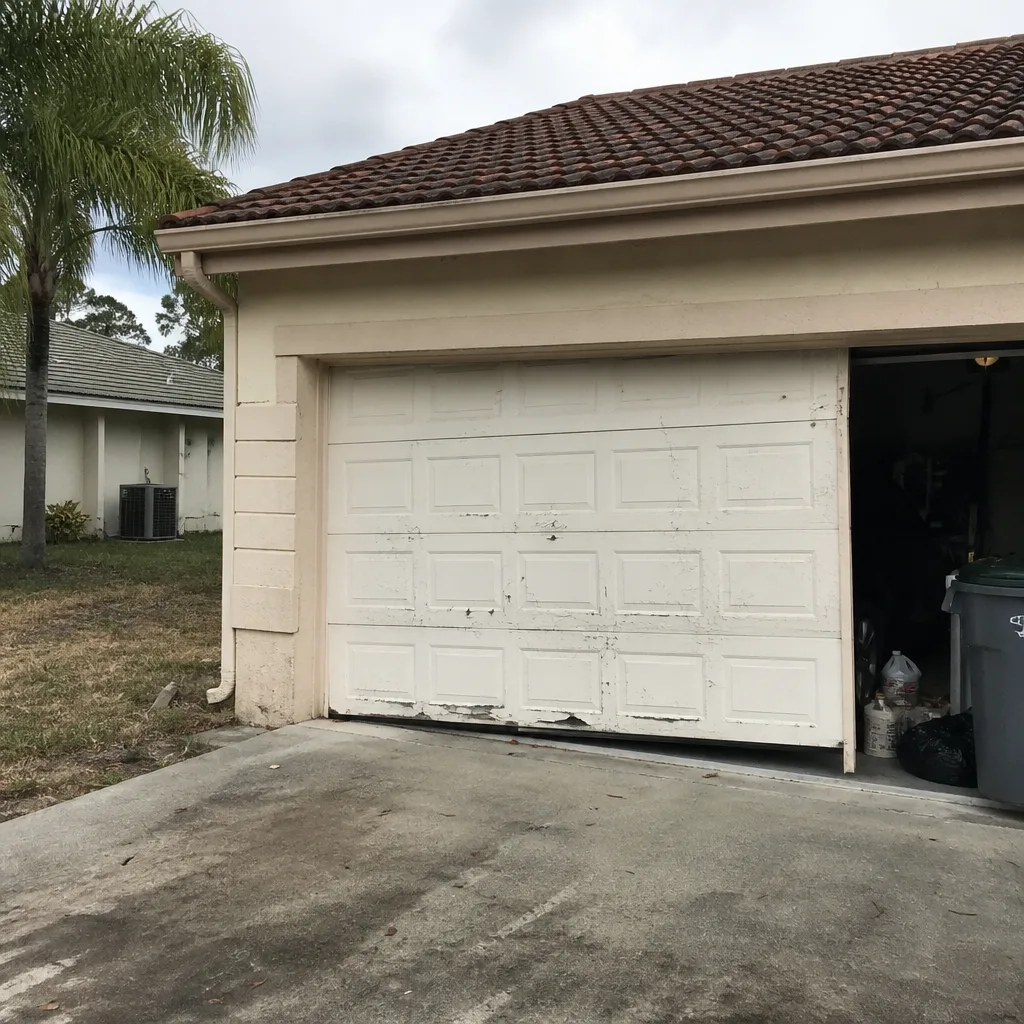 Before
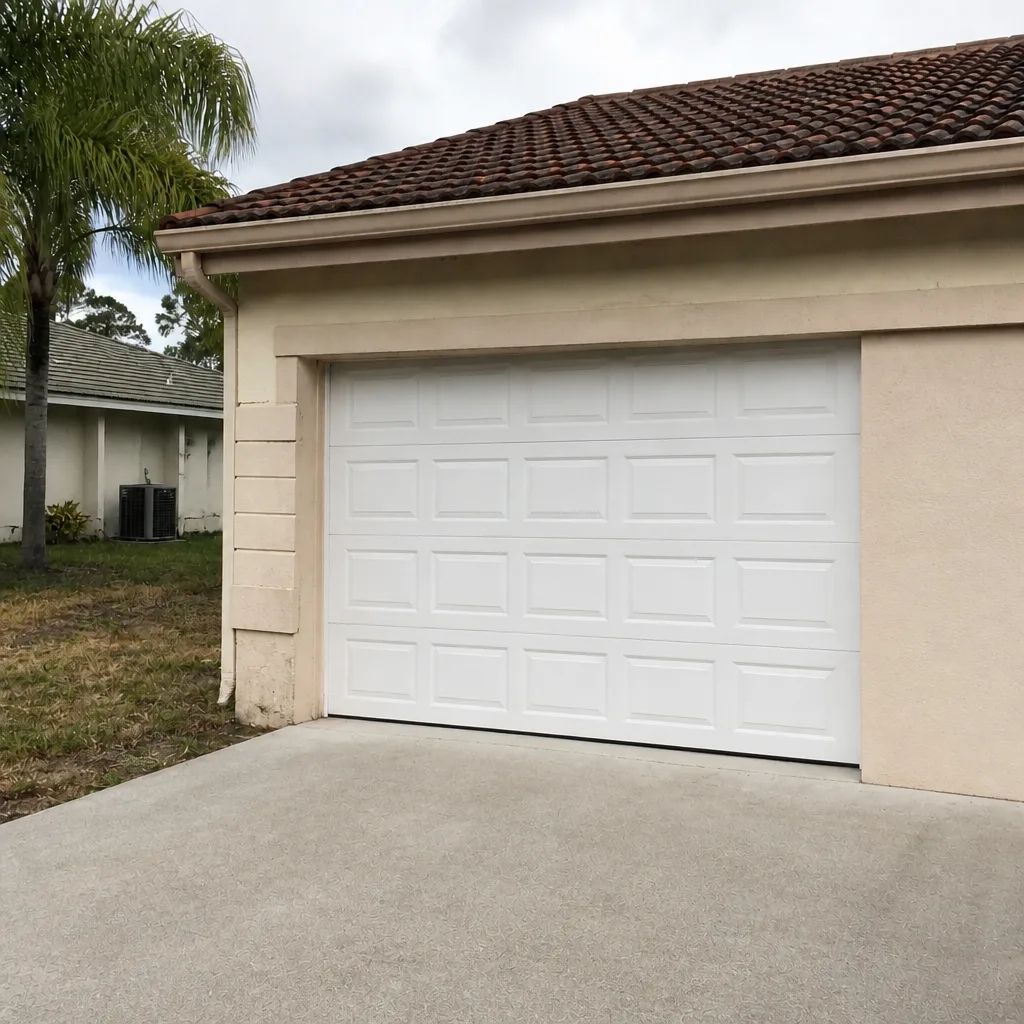 After
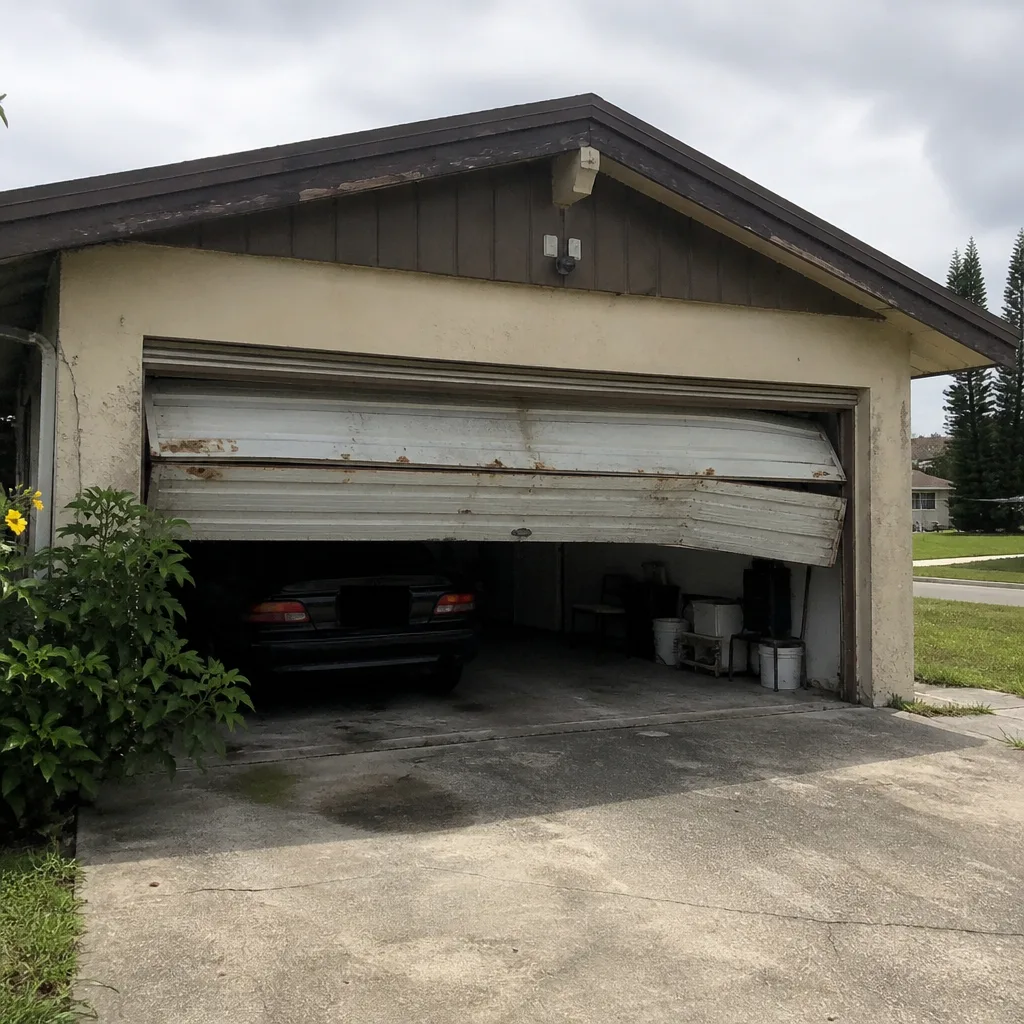 Before
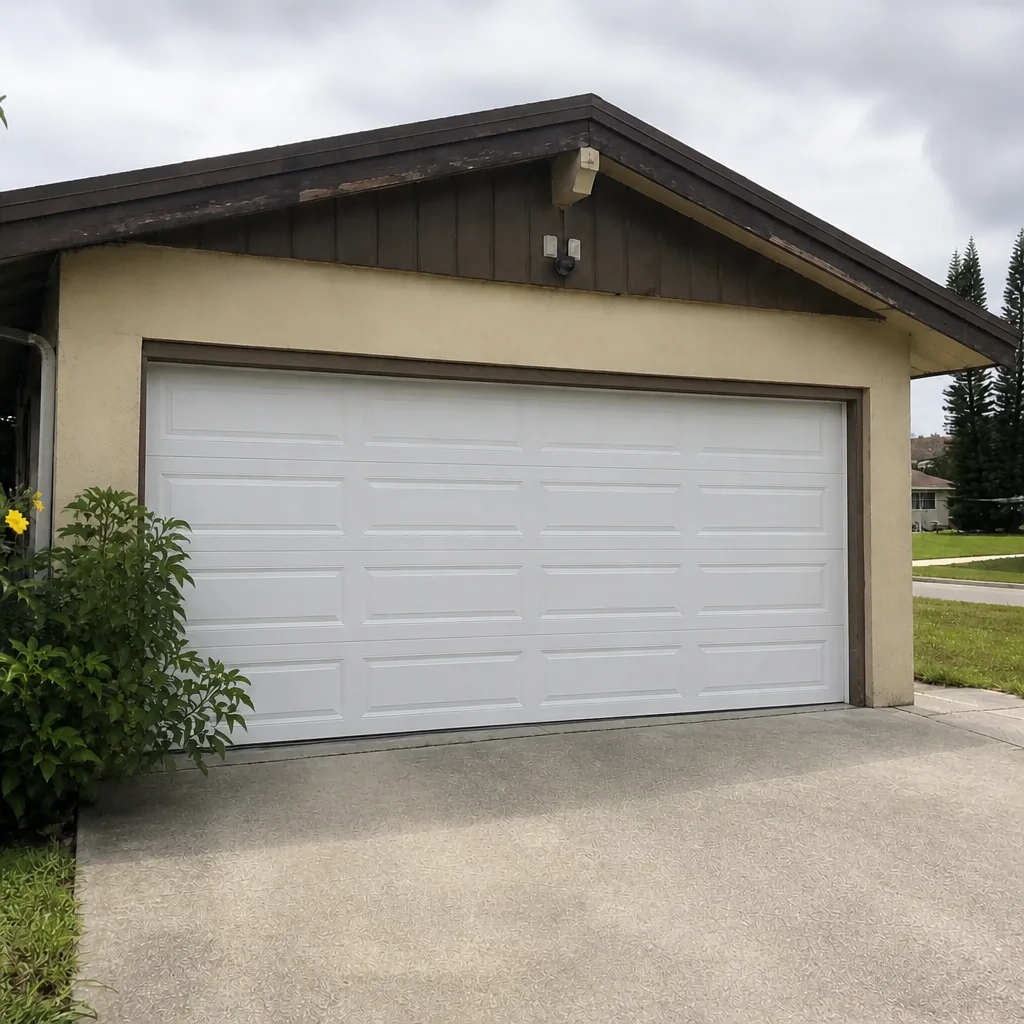 After
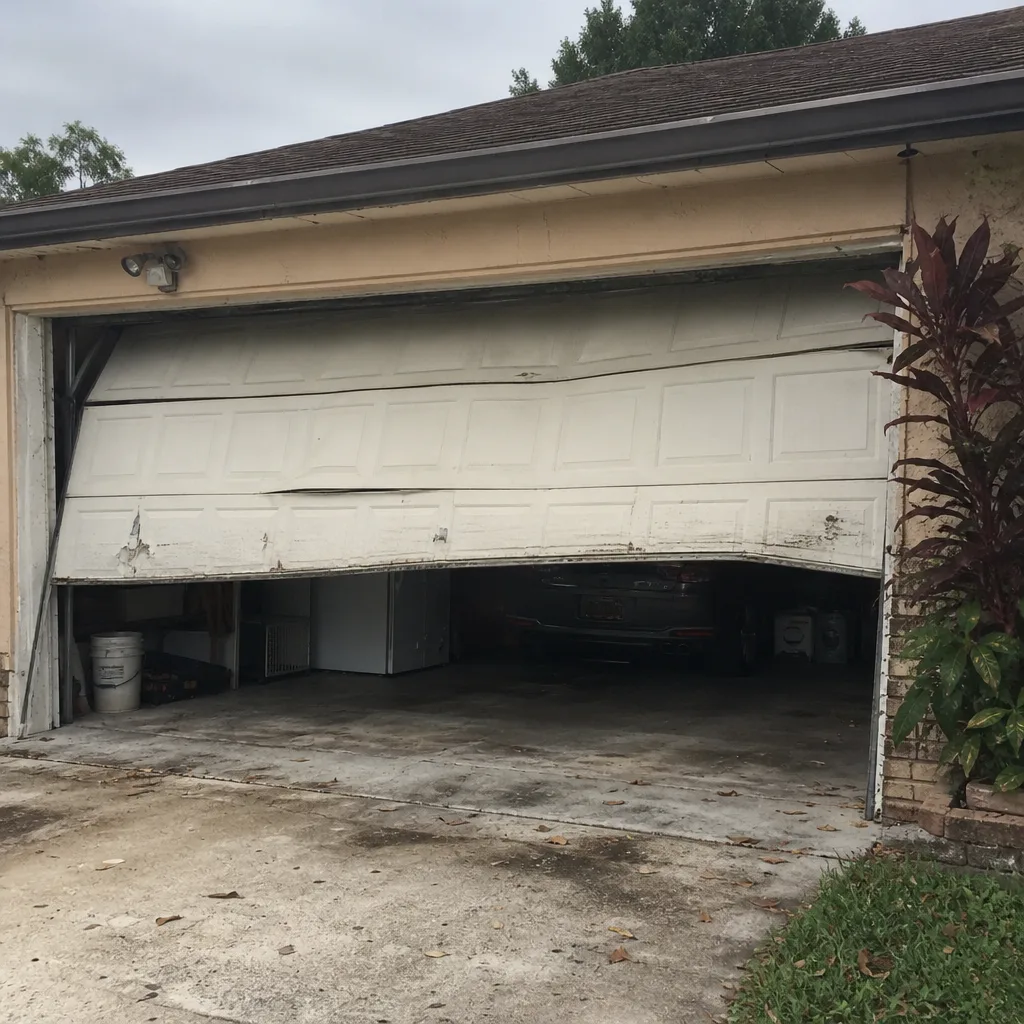 Before
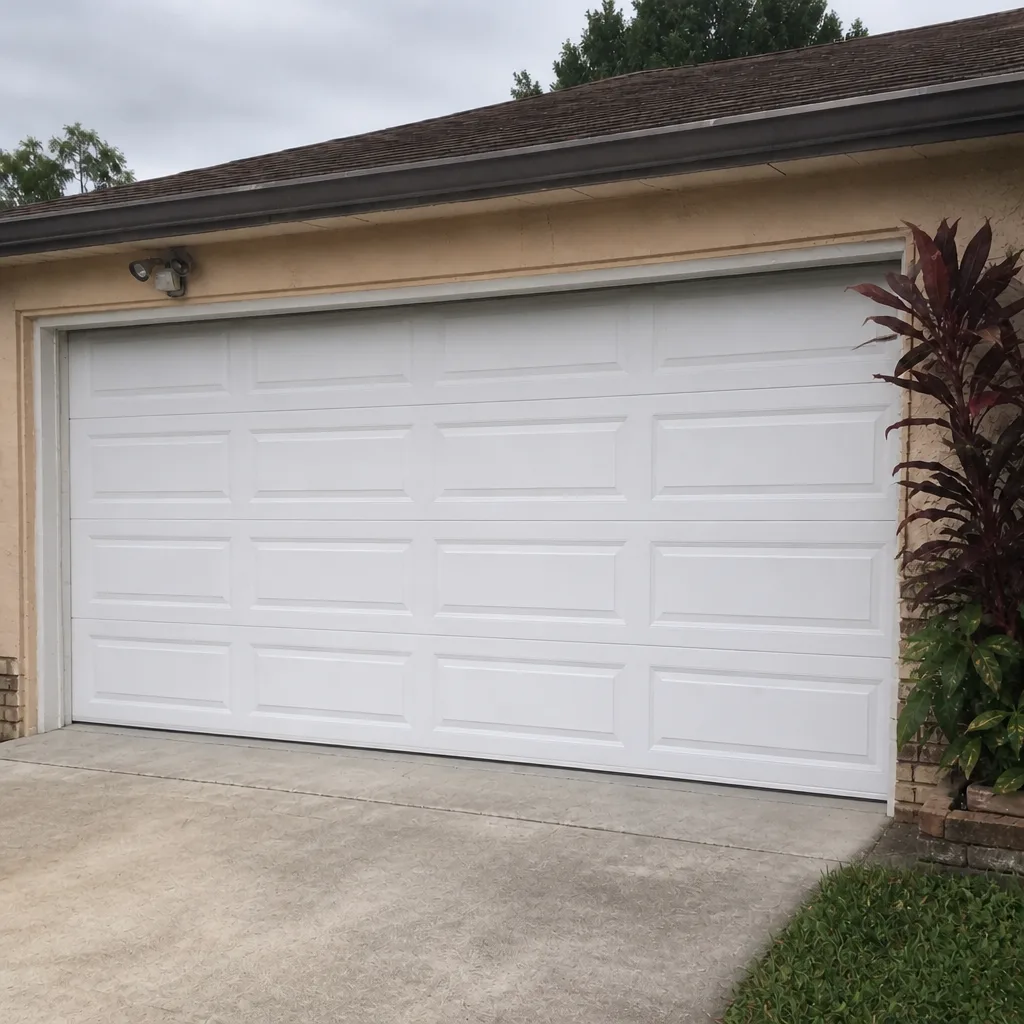 After